Pulp molding production typically runs through five core stages: pulping, forming, setting, post-processing, and packaging. Each stage relies on a distinct set of machinery, outlined below.
Pulping Equipment
The pulping stage prepares raw material—recycled paper or pulp board—into a consistent slurry ready for forming.
- Hydrapulper: Breaks down waste paper and pulp board into smaller fragments, making the material easier to handle in subsequent pulping steps.
- Refiner: Further grinds the fragmented fibers to a finer consistency. This step is especially critical when reclaiming trimmings and offcuts from tableware or premium industrial packaging, where selecting the right refiner is essential to achieving an appropriate degree of beating for smooth downstream processing.
- Mixer: Blends the refined pulp thoroughly with chemical additives to produce the finished slurry.
- Screening machine: Removes impurities and any unbroken fragments of waste paper from the pulp.
- Consistency control system: Regulates the moisture content of the pulp to keep slurry consistency stable and suitable for the forming stage.

Forming Equipment
Forming shapes the prepared slurry into wet, unfinished products.
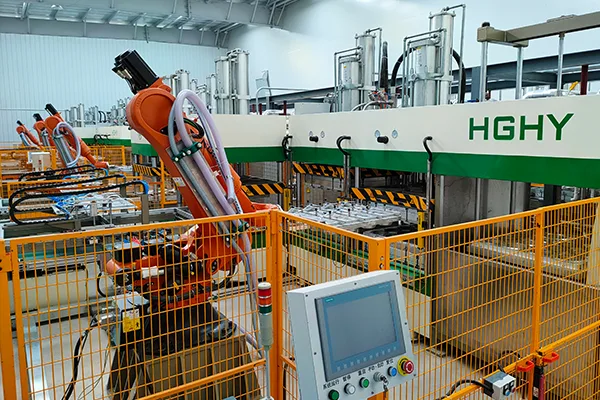
- Forming machine: Applies pressure to draw pulp into a mold, giving it its initial shape.
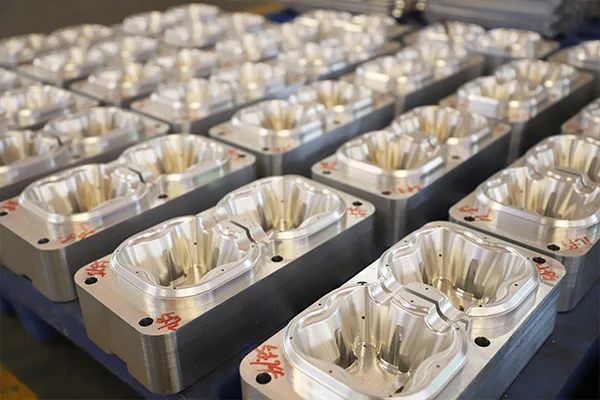
- Forming molds: Convert the pulp into a wet preform pressed into the desired shape.
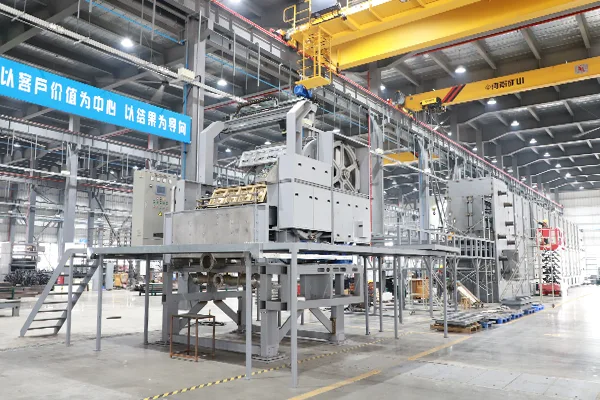
- Fully automated integrated forming line: Combines multiple forming steps into a single continuous production unit.

Setting Equipment
Once formed, wet products are dried and finished to achieve their final shape, texture, and dimensions.
- Setting (hot-press) machine: Dries the wet preform within a mold to fix its final shape.
- Finishing press: Smooths and polishes the product surface, correcting any distortion that occurs during drying, while also embossing surface patterns or text as needed.
- Die-cutting machine: Trims dried, set products to the required length and width using an edge-cutting die.
- Ring-cutting machine: Performs trimming along the product’s vertical surfaces. Unlike die-cutting, where the tooling moves vertically to trim only the edges, ring-cutting moves around the product’s perimeter to cut its vertical faces.
Auxiliary Equipment
A range of supporting systems ensures safe, efficient production and enables surface finishing, decoration, and packaging.
- Ventilation system: Removes harmful gases generated during production, safeguarding the working environment.
- Power supply system: Delivers the electricity needed to keep production running smoothly.
- Folding equipment: Folds finished products for packaging.
- Packaging equipment: Packs finished goods for transport and sale.
- Humidifying/moisture-conditioning equipment: In semi-dry (premium dry-press) production, restores surface moisture to already-dried products to achieve a smoother, more refined surface finish.
- V-groove machine: Creates precision grooves for folding or structural features.
- Screen printing machine: Applies printed graphics or text to product surfaces.
- Heat transfer printing machine: Transfers designs onto products using heat.
- Digital inkjet printer: Applies high-resolution printed designs directly onto products.
- Silicone pad transfer printer: Applies fine printed detail using silicone transfer technology.
- Laser etching machine: Engraves patterns, logos, or text using laser technology.
- Mesh welding machine: Welds molding screens or mesh components used in tooling.
- Dry-ice mold cleaning machine: Cleans molds using dry-ice blasting, avoiding water or chemical residue.
- AI-enabled intelligent inspection and packaging line: Integrates automated quality inspection with packaging in a single system.
- Suspended (hanging-basket) drying line: Dries products while suspended, suited to more delicate or complex shapes.
- Tunnel drying line: Dries products via continuous pass-through drying tunnels.
- Water recycling and treatment system: Treats and recycles process water for reuse in production.
- Automatic laminating machine: Bonds additional layers or materials onto the product surface.
- Surface spray-coating machine: Applies protective or decorative coatings to product surfaces.
- Fully automated film-laminating machine: Applies a protective or decorative film layer across the entire production line automatically.