The line is installed and running, but fuel costs are higher than budgeted, the hot-pressed cartons come out with curled edges, and the labeling machine can’t get a straight label onto molded pulp. Problems like these rarely mean the machine is bad. More often, the machine was never matched to the product and output the buyer actually needed.
This guide follows an egg carton production line in the order the product moves through it. It covers precision forming, hot-pressing and labeling, along with drying, supplier selection and total cost. By the end you should have a clear list of questions to bring to any supplier.
Start with your product and target output
Not every egg packaging product asks the same of a machine. A 30-cell egg tray for farms only needs to stack well and survive handling, so a standard reciprocating line with a basic drying system is often enough. A 6-, 10- or 12-cell lidded carton for supermarkets and e-commerce is different: the surface has to be smooth, it is often labeled or printed, and hot-pressing is hard to avoid.
Before comparing machines, settle four questions:
- Which carton and tray sizes will you produce?
- What output do you expect to need over the next two to three years?
- What is your raw material: old newspaper, old corrugated cardboard, or a mix?
- Which energy source is cheapest locally: electricity, natural gas, biomass or diesel?
The answers will rule out about half of the options on the market.
Precision forming: reciprocating vs. rotary machines
The forming machine is the heart of the line and usually its biggest single cost. There are two main routes:
| Reciprocating | Rotary | |
|---|---|---|
| Output range | Small to medium | Medium to large, continuous |
| Investment | Lower | Higher |
| Labor | Somewhat more | Less |
| Changing products | Cheaper molds, easier changeover | Costly molds, slower changeover |
| Best for | Start-ups, multiple sizes, small batches | Stable orders, a single product |


A supplier’s rated output is usually a best-case figure. Ask two follow-up questions: what is the reject rate after eight hours of continuous running, and how long does a mold change take?
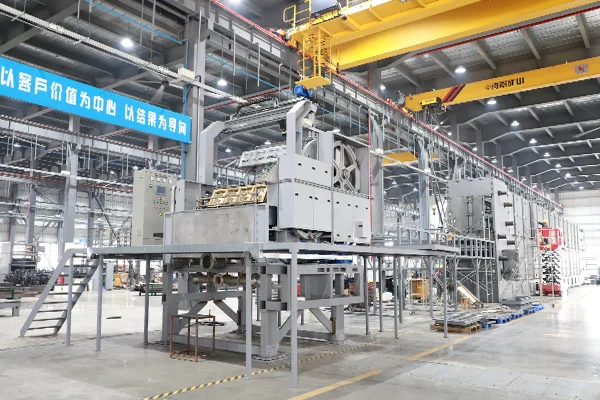
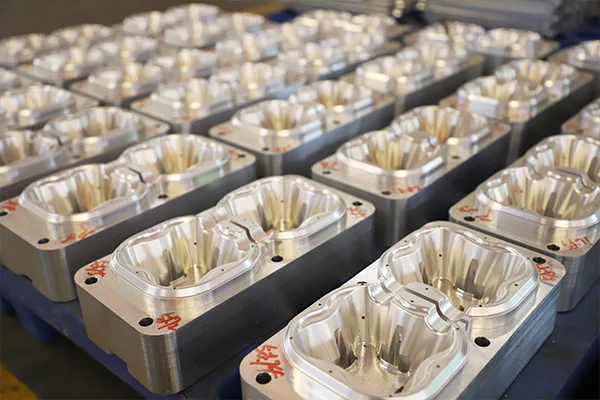
Three things determine forming quality. The first is wall thickness uniformity. An uneven tray is either too thin in places to bear load, or made heavier overall to compensate, which wastes pulp. The second is mold material and machining accuracy. Aluminum molds are light and conduct heat well, which suits most applications, while surface treatment and mesh size affect appearance and demolding. The third is stable control of vacuum and pulp consistency. A control system that stores process settings saves your team from starting over each time operators or products change.
Finally, ask the supplier to run a trial with your own raw material and weigh the finished products. Do not rely on samples from the showroom. A few grams saved per tray adds up to a large difference in raw material cost over a year.
Drying: the running cost buyers underestimate
Drying is the most energy-hungry stage of the line, and it often uses more energy than forming and hot-pressing combined. Evaluate it together with the forming machine, not as an afterthought.
There are three common options:
- Multi-layer metal drying line: high capacity and a compact footprint, compatible with natural gas, biomass, diesel and other heat sources. This is the standard choice for medium and large lines.
- Brick tunnel kiln or drying room: low investment, but average thermal efficiency and temperature control. Common among small plants just starting out.
- Natural air drying: almost no energy cost, but it depends on the weather, quality is inconsistent, and it cannot support demanding orders.
Whichever you choose, ask the supplier to explain the insulation structure, hot air circulation and moisture exhaust design. Heat recovery is a plus. During the trial, measure energy consumption per unit against the fuel or electricity meter instead of relying on verbal claims. Unstable moisture content after drying will cause problems in hot-pressing and labeling downstream.
Hot-pressing: flatter, stronger and easier to sell
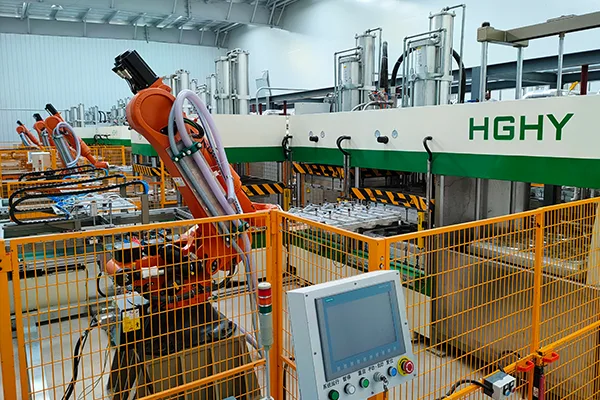
Hot-pressing reshapes the dried product under heat and pressure. The result is a flatter surface, more stable dimensions and a denser structure, which also makes printing, labeling and automatic stacking easier. For cartons sold through supermarkets and online retailers, this step is hard to skip. If you only make plain trays for farms, you can leave it out for now.
When choosing a hot press, look at these points:
- Heating method: electric heating offers flexible control and easy maintenance. Thermal oil heats more evenly, but the system is more complex.
- Temperature and pressure: the temperature difference between upper and lower molds should be small, since a large gap tends to warp the product. Pressure should be adjustable and give the same result every cycle.
- Mold compatibility: hot-press molds must match the forming molds, and how easily they can be changed and positioned affects daily efficiency.
- Cycle time: it has to keep pace with the forming output, or the press becomes the bottleneck of the whole line.
- Safety: high-temperature, high-pressure equipment should include emergency stops, light curtains and overload protection. Do not cut these to save money.
Labeling: getting cartons retail-ready
Once egg cartons reach retail shelves, the label is the first thing a shopper sees. It carries the brand, origin, date and batch number. Molded pulp has a textured, curved surface, so wrinkling, skewing and lifting edges are the usual problems.
The right setup depends on volume. For high output, an in-line automatic labeler synchronized with the production line gives more accurate placement. For small batches and frequent size changes, a semi-automatic machine is more flexible. Variable information such as production date and batch code can be added with inkjet or laser coding.
When evaluating a labeling machine, test a few things on your own cartons: how well the label adheres, how long it takes to change label size, and whether the machine has vision or sensor-based alignment correction. Labels and adhesives should also meet food-contact requirements, so ask the supplier for material documentation. If you need traceability, confirm that the system can print QR codes and connect to your existing software.
How to evaluate egg carton machine suppliers
When specifications look similar, what separates suppliers is how they perform in practice.
- Look at references: prefer suppliers who can show running lines of similar capacity and product type. A factory visit is best, and a video of a line in operation is the minimum.
- Define acceptance in writing: put output, reject rate, energy consumption per unit, moisture content and weight range into the contract, along with what happens if the machine misses them.
- Ask about service: installation, commissioning and training; lead time and price for wear parts such as molds, screens, seals and heating elements; and the warranty period for the whole machine and key components.
- Check certifications: if your target market requires them (CE, for example), verify that the certificates are genuine and current.
Calculate the total cost over three to five years
Comparing purchase prices alone is not very informative. A more realistic approach is to model three to five years of cost, including:
- Equipment and molds, with installation, freight and import duties
- Raw material: waste paper price, product weight and material loss
- Energy, mainly for drying and hot-pressing
- Labor, maintenance and spare parts
- Facility and environmental costs, such as wastewater and exhaust treatment, which vary by region
A cheaper machine with high energy use and a high reject rate often ends up costing more within two or three years than a better-specified one. That is why trial runs and written acceptance criteria matter: they give you real numbers before you sign.
FAQ
Should a small start-up choose a reciprocating or a rotary machine?
In most cases a reciprocating machine is the safer starting point. It costs less and handles product changes easily. Once orders and specifications stabilize, you can consider moving to rotary.
Is hot-pressing necessary?
It depends on the product. For retail egg cartons, it is recommended. For plain farm trays, you can skip it at first and add it later.
Can I add a labeling machine later?
Yes, but plan the space and interfaces in advance, and confirm that your carton surface and dimensions suit automatic labeling.
Final thoughts
Choosing an egg carton production line is about finding the right balance between investment, output, quality and energy use. Forming sets the floor for your yield, hot-pressing sets the ceiling for appearance and strength, and labeling decides whether your product is ready for retail.
If you are planning a new line, start by defining your target product, daily output and raw material. Send us those details and we will recommend a suitable configuration and arrange a trial run with your own material.