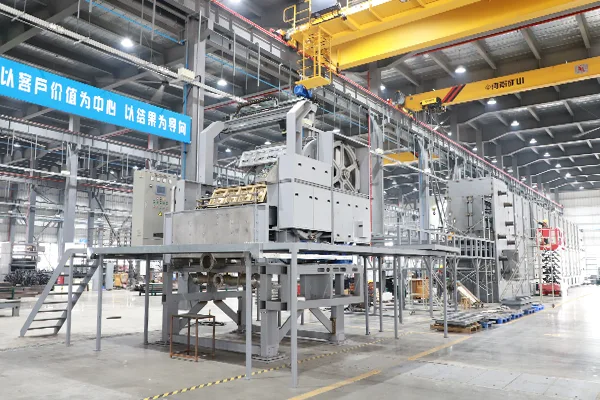
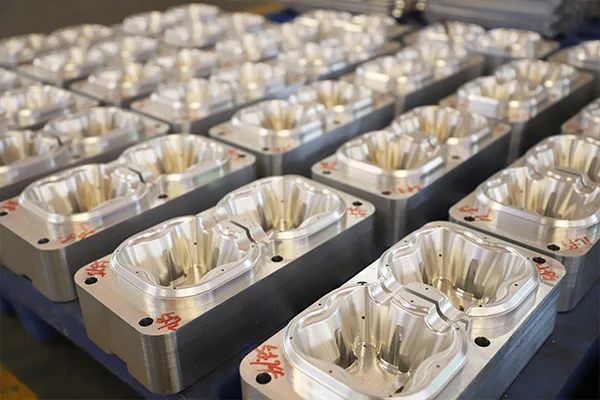
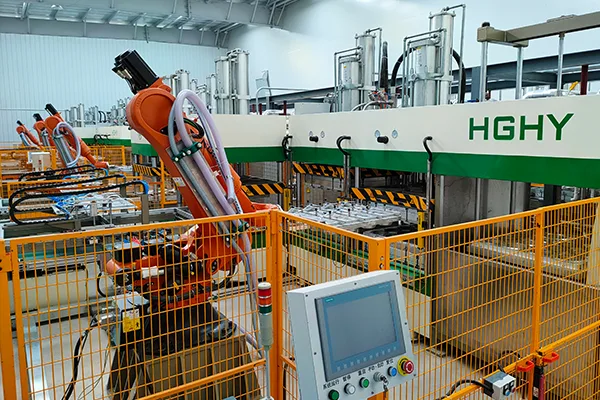
The global shift away from plastic tableware has opened a wide door for manufacturers who can supply biodegradable alternatives at scale. Among the most in-demand products right now are bagasse cup covers — the disposable lids used on coffee cups, cold drink cups, and takeaway beverage containers. Behind every batch of these lids is a piece of equipment doing the real work: the bagasse cup cover making machine. For companies looking to enter or expand in the molded pulp packaging business, this machine is quickly becoming one of the most valuable assets on the production floor.


Why Bagasse, and Why Now
Bagasse is the fibrous residue left over after sugarcane stalks are crushed to extract juice. Once considered agricultural waste, it has become a prized raw material for molded pulp products because it is fully compostable, breaks down within weeks in industrial composting conditions, and does not rely on virgin wood pulp. Food service chains, hotels, airlines, and government procurement programs across dozens of countries have already committed to phasing out plastic cup lids, and bagasse covers fit neatly into that requirement without compromising on heat resistance or rigidity.
This regulatory and consumer momentum means demand for bagasse lids is not a short-term trend. It is a structural change in packaging supply chains, and manufacturers who install production capacity now are positioning themselves ahead of a market that is still expanding.
What the Machine Actually Does
A bagasse cup cover making machine takes pulped bagasse fiber slurry and transforms it into finished, ready-to-use lids through a sequence of forming, pressing, and trimming stages. The process typically includes:
- Pulp preparation and delivery — the fiber slurry is mixed to the correct density and fed into the forming station.
- Vacuum forming — molds draw the wet fiber into the shape of the cup lid, creating the base structure.
- Hot pressing — heated dies compress and dry the formed lid simultaneously, giving it strength, a smooth surface finish, and dimensional stability.
- Trimming and stacking — excess edges are cut away and finished lids are stacked automatically, ready for packing.

Modern machines run this entire sequence with minimal manual intervention, and many models integrate multiple cavities per mold so several lids are produced with each cycle. That single design choice has a major effect on output: a well-configured line can turn out tens of thousands of lids per day without expanding floor space or headcount.
The Business Case
For a packaging producer, the appeal of this equipment comes down to a few concrete advantages.
Lower dependence on imported plastic lids. Many food service suppliers currently import plastic or PLA lids, exposing them to shipping delays and currency risk. Producing bagasse lids locally removes that dependency and shortens the supply chain considerably.
Attractive margins on a rising product category. Because demand is outpacing the number of established suppliers in many regions, early producers often secure better pricing and long-term contracts with distributors and food chains before the market becomes crowded.
Compatibility with existing bagasse operations. Businesses that already run bagasse plate or bowl production lines can add a cup cover line using the same raw material supply chain, pulping system, and drying infrastructure, which keeps additional capital costs relatively low.
Straightforward compliance. Since bagasse is inherently biodegradable and free of PFAS or plastic coatings, products made on these machines tend to pass certification requirements more easily than lids that rely on plastic linings or synthetic coatings.
Choosing the Right Equipment
Not all machines on the market are built the same, and a few factors are worth close attention before purchase:
- Mold cavity count and cycle time, which together determine daily output.
- Automation level, since fully automatic lines reduce labor costs but carry a higher upfront price than semi-automatic versions.
- Energy consumption, particularly around the hot-pressing stage, which is typically the largest power draw in the line.
- After-sales support and spare parts availability, since mold wear is a normal part of long-term operation.
- Flexibility for different lid diameters, allowing one line to serve multiple cup sizes without a full mold replacement.
Buyers evaluating suppliers should ask for a live production sample rather than relying on catalog specifications alone, since actual output speed and lid quality can vary noticeably between manufacturers claiming similar numbers on paper.
Looking Ahead
The bagasse cup cover making machine sits at the intersection of two strong trends: the retreat from single-use plastics and the steady rise of agricultural-waste-based manufacturing. For businesses already producing molded pulp tableware, adding cup covers to the product line is a natural extension. For newcomers to the industry, it offers a relatively accessible entry point into a packaging category with genuine, sustained demand rather than a passing seasonal spike.
As more foodservice brands lock in sustainability commitments over the coming years, the producers who invested early in reliable, high-output equipment will be the ones best placed to meet that demand.