Walk through the packaging area of almost any medical device plant today and you’ll notice something that wasn’t there five years ago: trays and inserts that look and feel like pressed cardboard rather than injection-molded plastic. That shift is being driven by molded fiber healthcare container lines — production systems that turn recycled paper pulp into trays, urinals, bedpans, and protective inserts built specifically for hospital and pharmaceutical use.
What a Molded Fiber Healthcare Container Line Actually Does
A molded fiber healthcare container line is a set of connected machines that convert waste paper — old newspaper, corrugated cardboard, office paper, sometimes sugarcane bagasse — into rigid, three-dimensional healthcare products. Unlike general-purpose molded pulp lines that make egg cartons or fruit trays, a healthcare-grade line is tuned for tighter dimensional tolerances, smoother surface finishes, and cleaner production environments, since the output often touches sterile devices, vials, or pre-filled syringes, or comes into direct contact with patients.
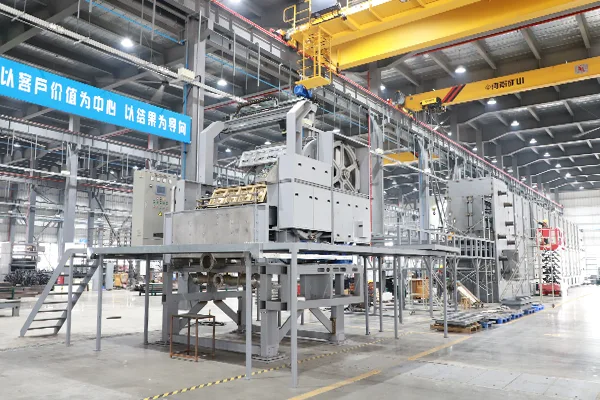
The equipment typically runs through five connected stages:
- Pulping — waste paper is broken down in water into a fiber slurry, sometimes with additives for strength or wet-strength resistance.
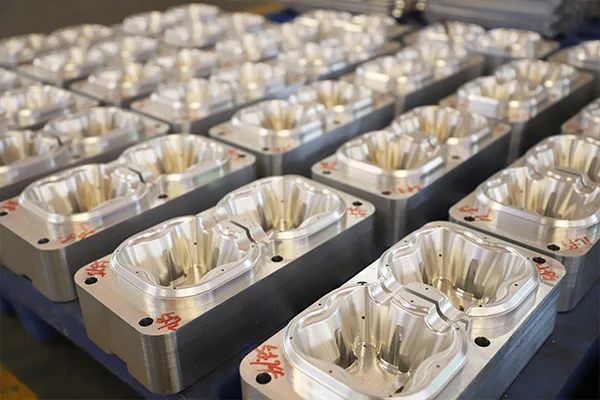
- Forming — vacuum-formed molds (usually aluminum or copper for durability and precise detail) pull fiber out of the slurry and shape it into the container geometry.
- Drying — wet-formed parts pass through single-layer or multi-layer metal dryers; some smaller operations still use natural air-drying or brick-kiln drying, though these are far less common at healthcare-grade output volumes.
- Hot-pressing — a secondary press stage flattens rims, sharpens edges, and improves surface smoothness, which matters when a tray needs to nest, stack, or seal against a lidding film.
- Finishing and packing — trimming, inspection, stacking, and case packing, sometimes with automated de-nesting for downstream integration into a customer’s own packaging line.
Why Healthcare Manufacturers Are Switching
The pull toward molded fiber isn’t cosmetic. Several pressures are converging at once.
Regulatory and cost exposure to plastic. Extended producer responsibility (EPR) fees and plastic taxes in the EU and a growing number of other markets add a direct cost line to plastic packaging that fiber-based alternatives largely avoid. For companies shipping high volumes of trays for pens, vials, and syringes, that difference shows up on the balance sheet.
Scope 3 emissions targets. Pharmaceutical and medtech companies with public sustainability commitments are under pressure to cut emissions across their supply chains, not just their own operations. Packaging is one of the more visible, more easily addressed pieces of that footprint, since it can be redesigned without touching the drug or device itself.
Automated compatibility. Modern molded fiber trays are engineered to auto-stack and de-nest at low stacking heights, which lets them drop into existing automated packaging lines rather than forcing a customer to redesign their assembly process around a new tray format.
Patient-facing perception. For products a patient actually sees and handles — like a molded fiber urinal, bedpan, or emesis basin — the material also reads as more hygienic-feeling and disposable than reused rigid plastic, which matters in infection-control-conscious hospital settings.
Where Molded Fiber Shows Up in Healthcare Settings
The applications split fairly cleanly into two categories.
Primary and secondary packaging. Trays and inserts that hold vials, pre-filled syringes, auto-injector pens, combination kits, and diagnostic components. These parts sit inside a larger carton or blister pack and are engineered mainly for shock absorption, product presentation, and dimensional stability during transport and automated line handling.
Single-use clinical products. Disposable medical urinals, bedpans, kidney dishes, and vomit/emesis bowls, produced on lines specifically configured for hospital-grade hygiene products. These are usually pressed to a thicker wall section than packaging trays, since they need to hold their shape when wet and support body weight or fluid volume without collapsing.
A Limit Worth Knowing Before You Specify Fiber
Molded fiber is not, on its own, a sterile barrier material. Several manufacturers are explicit that standard wet-molded fiber parts do not meet sterile barrier requirements without an added coating or laminate — that’s a coming capability for some producers rather than a current standard offering across the industry. If a container needs to maintain sterility of its contents, the design will typically pair the molded fiber tray with a separate sterile pouch, a coated barrier layer, or a lidding film that carries the actual barrier function, with the fiber tray handling structure and cushioning. Anyone specifying fiber packaging for a sterile device should confirm this division of labor with their supplier before finalizing a design, rather than assuming the fiber itself is doing barrier work it isn’t rated for.
What to Look For in Line Equipment
For a manufacturer evaluating a line purchase rather than buying finished trays from a converter, a few specification points tend to separate healthcare-grade capability from general industrial packaging equipment:
- Mold material and precision. Aluminum molds are common for cost and machinability; copper molds hold finer detail and last longer under high-volume runs, which matters for parts with embossed branding or tight nesting geometry.
- Drying system capacity. Multi-layer metal drying systems handle the throughput and moisture consistency healthcare volumes require; single-layer or natural drying setups are better suited to lower-volume or non-critical applications.
- Hot-press capability. A dedicated hot-press stage is what gets a tray to the surface smoothness and edge sharpness needed for reliable automated handling downstream.
- Installation and commissioning support. Full healthcare lines are complex enough that installation and operator training commonly run several weeks, with ongoing remote or on-site troubleshooting built into the equipment contract.
Example: A Compact Line Built for Small-Batch, High-Precision Runs
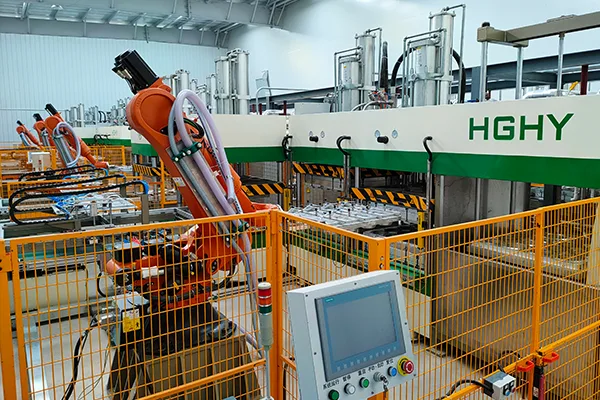
Not every healthcare packaging program needs a full high-volume plant. Device makers doing R&D validation, market testing, or short-run production of trays for medical instruments often need something smaller and more flexible instead — which is where a machine like the HGHY High-End Packaging Machine (Series II) fits.

This is a forming-plus-hotpress unit built around a 700 × 500 mm platen, running either flip-type or reciprocating forming with a hydraulic hot-press stage rated to 20 tons. It’s designed to produce parts up to 120 mm high with wall thickness down to about 1.2 mm — thin, precise geometry that matters for close-fitting device trays and inserts rather than bulky single-use products like bedpans. The pulp itself is drawn from renewable plant fiber — bagasse, wheat straw, reed, or moso bamboo — rather than exclusively recycled waste paper, which is a distinction worth checking against your own sustainability documentation, since “recycled content” and “renewable plant fiber” aren’t the same claim.
A few things stand out about this class of machine relative to a high-volume medical urinal or bedpan line:
- Small mold area, fast changeovers. Because the tooling footprint is compact, switching between mold designs is quick — useful when a device packaging team is iterating through several tray geometries before locking a final design.
- Dual-layer, low-maintenance structure. The simplified mechanical layout is aimed at keeping unplanned downtime low on a line that may run mixed, smaller batches rather than one continuous SKU.
- Multi-industry mold compatibility. The same platform is listed for 3C electronics packaging, cosmetic and wine packaging, and instrument packaging alongside medical device packaging — a reminder that this tier of equipment is a general precision-forming platform that gets pointed at healthcare applications through mold design and material choice, not a machine built exclusively for medical use.
For a manufacturer trying to decide between this kind of compact unit and a larger dedicated healthcare line, the practical dividing line is usually order volume and part consistency requirements: R&D samples, pilot runs, and lower-volume premium device packaging suit a compact high-end machine, while continuous production of clinical disposables — urinals, bedpans, high-volume trays — tends to justify the larger, purpose-built lines described above.
The Broader Market Picture
Large paper and packaging groups — Smurfit Westrock, Huhtamaki, and Valmet among them — have all put engineering resources specifically into molded and formed fiber for pharma and medtech in the last few years, alongside specialist converters like Faller Packaging and equipment builders focused on custom tooling. That combination of established packaging majors and dedicated tooling specialists is a reasonable signal that molded fiber in healthcare has moved past the pilot-project stage and into standard specification territory for companies actively working to displace single-use plastic from their packaging lines.
Frequently Asked Questions
Is molded fiber packaging sterile-compatible? Not by itself. Standard molded fiber trays generally require an added coating, laminate, or a separate sterile pouch/lidding film to meet sterile barrier requirements — the fiber component provides structure and cushioning rather than the barrier itself.
What materials go into a molded fiber healthcare container? Most lines run on recycled fiber sources: old newspaper, corrugated cardboard (OCC), and office paper waste, occasionally blended with sugarcane bagasse for added strength or a different finish.
Can molded fiber trays run on existing automated packaging lines? Well-engineered healthcare trays are designed for auto-stacking and de-nesting at low stack heights specifically so they integrate into a customer’s existing automated assembly and packing equipment without requiring a line redesign.
What’s the difference between a general molded pulp line and a healthcare-grade line? The core process — pulping, forming, drying, pressing — is the same. The differences are in tolerance control, surface finish, mold precision, and production hygiene, all tuned to meet the tighter dimensional and cleanliness demands of pharmaceutical and medical device packaging.