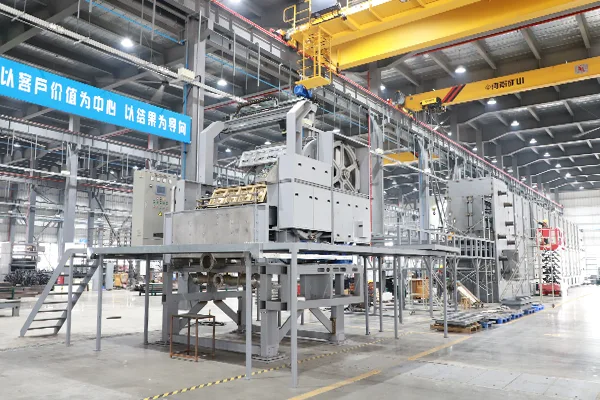
Pulp molding, an eco-friendly and sustainable material, has emerged as a versatile solution across multiple industries. Its wide-ranging applications—from industrial packaging and agriculture to medical and food service—demonstrate significant environmental advantages, promoting low carbon and sustainable development worldwide. By adopting pulp molding solutions, companies can reduce reliance on finite resources, lower energy consumption, minimize greenhouse gas emissions, and decrease environmental pollution.
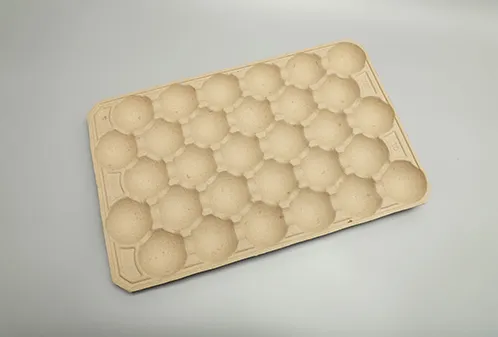


1. What is Pulp Molding?
Pulp molding is a manufacturing process that transforms plant-based fibers into molded products using specially designed molds. It is known for its environmental benefits, biodegradability, and versatility. Pulp molding is referred to by various terms globally, such as fiber molding, molded pulp, 3D fiber forming, or plant-fiber packaging.
Key Features:
- Biodegradable and recyclable
- Lightweight yet strong
- Customizable shapes and sizes
- Suitable for both industrial and consumer applications
Manufacturing Process Overview:
- Raw Material Preparation
- Main materials: recycled paper, wood pulp, agricultural residues, or other cellulose sources
- Steps: fiber separation → pulp formulation → stirring to achieve moldable consistency
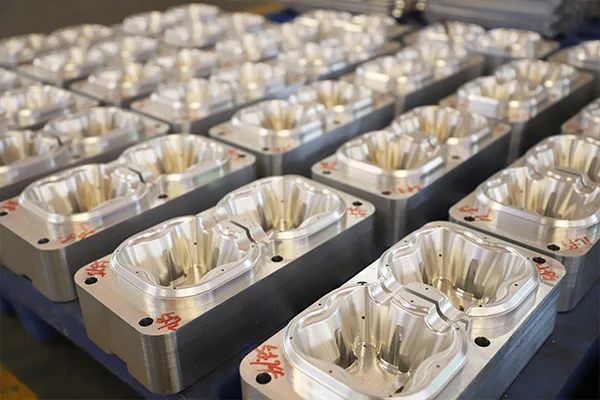
- Mold Design and Manufacturing
- Materials: metal, plastic, or rubber
- Factors: product shape, size, structure
- Process: mold fabrication → polishing → surface treatment
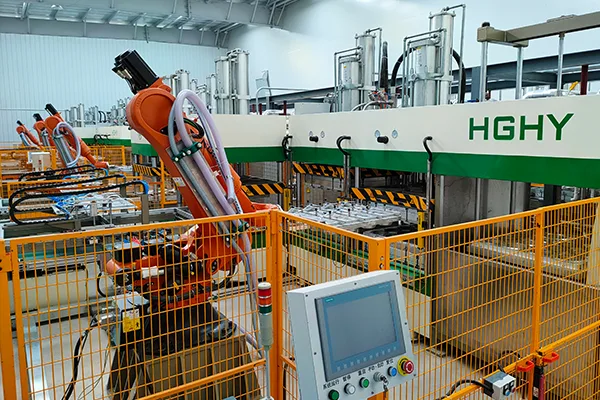
- Forming Process
- Two main techniques: wet pulp molding and dry pulp molding
- Wet pulp molding: pulp is injected into molds, followed by heating and drying
- Dry pulp molding: molded from pulp sheets or partially hydrated fibers using heated molds
- Core steps: pulp injection → mold heating and drying → product demolding → finishing (trimming, sanding, coating)
- Two main techniques: wet pulp molding and dry pulp molding
- Finishing
- Post-processing ensures durability, aesthetic appeal, and surface quality
- Methods may include coating, embossing, or painting
Advantages of Pulp Molding:
- Reduces natural resource consumption through recycled raw materials
- Produces lightweight yet robust products with excellent shock resistance
- Enables customizable and personalized designs for diverse needs
2. History and Development of Pulp Molding
Global Timeline:
- 1917, Denmark: The first modern pulp molding process was developed
- 1936, Denmark: Machine-based pulp molding begins
- 1930s–50s: Major companies in Canada, France, UK, Singapore, USA, and Japan commercialize pulp molding production lines
- 1950s, Italy: Engineer Enzo Michelin patents an innovative pulp molding process converting waste paper into shaped, high-strength products
China’s Milestones:
- 1984: Hunan Pulp Molding Factory introduces an 8-face drum-type automated pulp molding line from France for egg tray production
- 1988: Nanjing Light Industry Institute develops China’s first domestically produced pulp molding line
- 1992–1993: Successful production of pulp-molded packaging for Canon printers and other industrial products
Historical Origins in China:
- Ancient Chinese artisans (Eastern Zhou period, over 2,000 years ago) produced paper-fiber sacrificial items for imperial rituals using early pulp molding techniques
- In modern times, Taiwanese master Cai Er-Rong and his wife revived the traditional method, combining layers of bamboo fiber paper over clay molds, creating hollow, intricately detailed figures with gold/silver leaf finishing
3. Applications of Pulp Molding
Pulp molding’s versatility makes it suitable for multiple sectors, including packaging, agriculture, industrial, medical, food service, and creative industries.
| Sector | Applications | Benefits |
|---|---|---|
| Packaging | Industrial & consumer packaging, electronics, fragile items | Shock absorption, customizable shapes, biodegradable, sustainable |
| Agriculture | Seedling trays, desert water-retention trays, plant transport trays | Moisture retention, temperature control, pest prevention, reduces irrigation needs |
| Industrial | Toolkits, product pallets, one-time-use containers | Rapid biodegradation, eco-friendly disposal, cost-effective |
| Medical | Disposable medical items, packaging for equipment | Biodegradable, reduces medical waste impact |
| Food & Beverage | Disposable tableware (plates, trays, cutlery), food packaging | Reduces single-use plastics, environmentally friendly |
| Creative & Lifestyle Products | Toys, home goods, gifts, craft items | Customizable designs, lightweight and durable |
| Other | Electronics components, fragile items, promotional products | Provides protection and sustainable packaging solutions |
Key Trends:
- Pulp molding is expanding from transportation packaging to retail-ready packaging
- Increasing adoption in single-use disposable products, especially food and medical industries
- Supports global sustainability goals and corporate ESG (Environmental, Social, Governance) initiatives
4. Global Advantages of Pulp Molding
- Environmental Sustainability
- Fully recyclable and biodegradable
- Reduces reliance on plastics and non-renewable resources
- Cost Efficiency
- Utilizes waste materials
- Lightweight products reduce shipping costs
- Design Flexibility
- Mold customization allows for a wide variety of shapes and textures
- Supports brand-specific or product-specific packaging requirements
- Industrial Versatility
- Applicable to both consumer products and heavy-duty industrial use
- Can replace traditional materials like plastics, foam, and molded wood pulp
Conclusion
Pulp molding is more than just a packaging solution; it represents a global movement towards sustainability and resource efficiency. Its wide-ranging applications, combined with environmental benefits and customization potential, make it an indispensable material for industries committed to eco-friendly innovation.
By embracing pulp molding, companies can protect the environment, optimize production costs, and deliver innovative, sustainable products that meet global market demands.