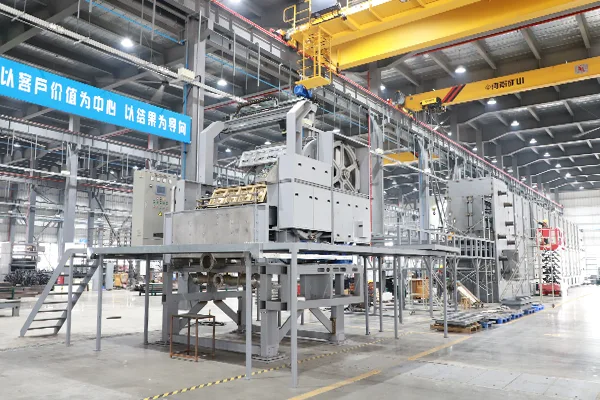
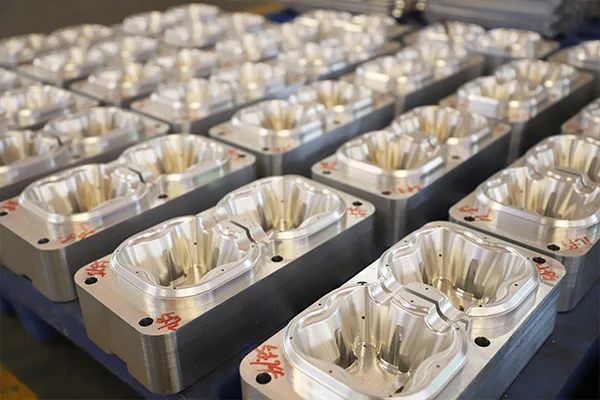
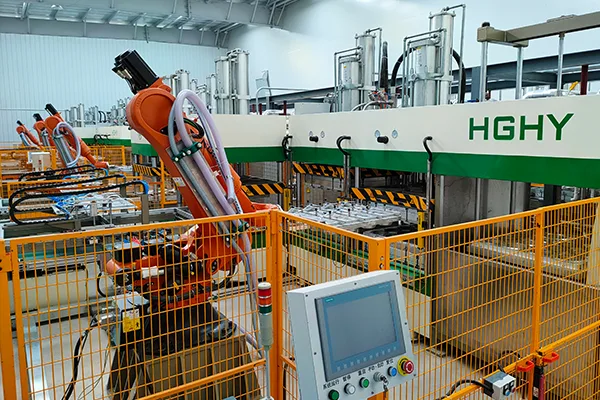
The molds used in pulp molding production play a crucial role in determining product quality and durability. Globally, the choice of mold material depends on production requirements, product type, and desired lifespan.


.webp)
.webp)
.webp)
Common Mold Materials
- Aluminum Alloys
Aluminum alloys are widely used for pulp molding molds due to their lightweight and good machinability. Common grades include:- AL6061: Standard choice for most dry-pressed products.
- AL7075 & AL5083: Used for high-strength or specialized applications.
- Edge Cutting Molds for Tableware
For products like plates, bowls, forks, knives, and spoons, an additional cutting edge mold is necessary. Options include:- Steel molds: Durable and long-lasting.
- Wood molds: Provide smoother and more aesthetically pleasing edges with minimal burrs.
- Other Materials
Depending on product requirements, molds can also be made from:- Steel, copper, resin, or alloy molds
- Copper-aluminum composite molds
- 3D-printed molds
- Innovative netless molds using new materials
Price Differences by Material and Type
Mold costs vary significantly depending on material, product size, machine type, and production method:
| Mold Material / Type | Typical Price (per standard mold, 800×600 mm) |
|---|---|
| Aluminum Alloy (dry-pressed, manual) | $1,500 – $2,000 |
| Aluminum Alloy (wet-pressed, automatic) | $3,000 – $5,000 |
| Steel Edge Cutting Mold | $2,000 – $4,000 |
| Wood Edge Cutting Mold | $1,000 – $1,500 |
| Copper or Copper-Aluminum Composite | $4,000 – $6,000 |
| Resin or Alloy Mold | $2,500 – $4,500 |
| 3D-Printed Mold / Innovative Materials | $2,000 – $5,500 |
Key factors affecting cost include:
- Machine type (manual vs. automatic)
- Mold size and number of cavities
- Transfer method for the pulp
- Product type (dry-pressed vs. high-end wet-pressed)
In general, dry-pressed molds are more economical, while premium wet-pressed molds are higher in cost. Automatic machines require more sophisticated molds than manual machines, contributing to higher mold expenses.