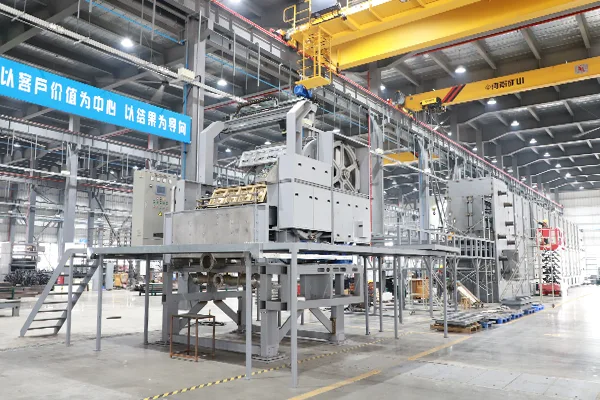
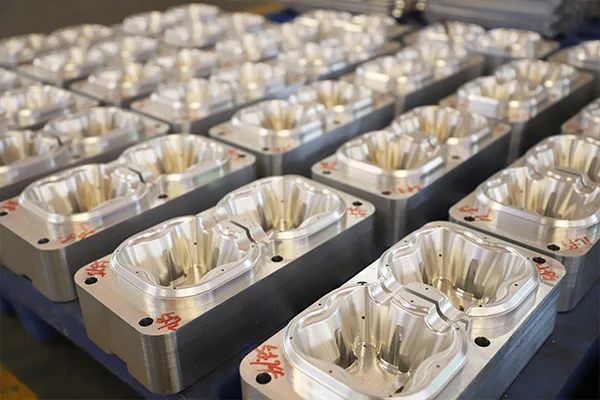
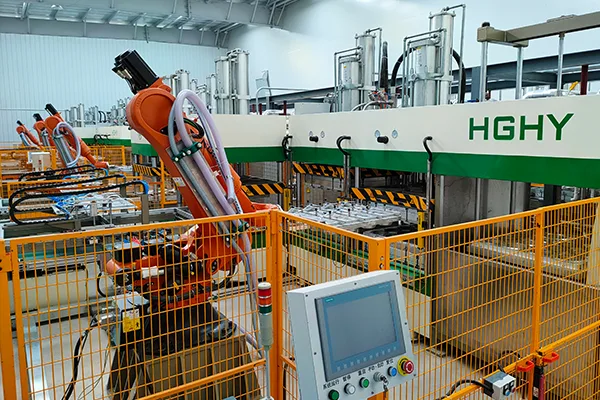
Proper maintenance of rotary drum machines and supporting equipment is essential for ensuring stable production efficiency, minimizing unexpected downtime, and extending overall equipment service life. In molded pulp manufacturing, stable machine operation directly affects product quality, production capacity, and operating costs.
This article provides a comprehensive overview of maintenance procedures for rotary drum machines, drying systems, conveyor systems, hot press machines, and electrical cabinets. The guide focuses on lubrication management, inspection methods, and cleaning standards commonly used in molded pulp production lines.

1. Rotary Drum Machine Maintenance
The rotary drum machine is one of the core pieces of equipment in a molded pulp production line. Proper lubrication and routine inspection are critical for maintaining stable operation and reducing mechanical wear.
Key Lubrication Points
The following components require regular lubrication and routine inspection:
- Geneva wheel gearbox
- Gear transmission system
- Motor reducer gearbox
- Bearing housings
- Swing arms
- Pull rollers
- Oil mist lubricator
These components operate continuously under mechanical load. Insufficient lubrication may result in abnormal wear, reduced operating accuracy, or equipment failure.
Lubricant Selection
Lubricants must match the equipment specifications and recommended viscosity grades. Using incompatible lubricants may negatively affect gearbox performance, bearing life, and transmission stability.
Lubrication Schedule
A combined maintenance method consisting of scheduled lubrication and visual inspection is recommended.
Routine lubrication should be performed according to fixed maintenance intervals. At the same time, lubricant condition should be visually monitored on a regular basis. If contamination, discoloration, or oil deterioration is observed, replacement or replenishment should be carried out immediately.
Lubrication Procedures
Different lubrication points may require different application methods. Lubrication quantity and procedures should follow equipment maintenance standards to ensure proper oil distribution and avoid over-lubrication.
2. Drying Line Maintenance
The drying system operates continuously under high-temperature conditions, making routine lubrication and inspection especially important for maintaining production stability.
Main Lubrication Areas
Maintenance should focus on the following components:
- Conveyor chains
- Drying fans
- Sprockets
- Pneumatic cylinders
Continuous movement and elevated operating temperatures increase friction and wear within these components.
Maintenance Requirements
Appropriate lubricants should be selected according to equipment specifications and operating temperatures. Lubrication intervals should be determined based on production intensity and operating hours.
A maintenance strategy combining scheduled lubrication and visual inspection is recommended to ensure stable equipment performance and reduce unexpected failures.
Lubrication Standards
Lubricants should be evenly applied to all moving components while avoiding excessive oil accumulation. Proper lubrication helps reduce chain wear, improve transmission efficiency, and extend equipment lifespan.
3. Conveyor System Maintenance
The conveyor system serves as the connection point between multiple production processes. Stable conveyor operation is essential for maintaining overall production efficiency.
Key Maintenance Components
Routine lubrication should include:
- Conveyor chains
- Bearings
- Sprockets
- Grippers
- Pneumatic cylinders
These components are subject to continuous movement and repetitive mechanical stress during production.
Lubrication Management
Compatible industrial lubricants should be used to ensure proper protection and smooth operation. Maintenance intervals may be adjusted according to production load and operating frequency.
Routine inspection should focus on identifying abnormal friction, stiffness, noise, or wear.
Maintenance Objectives
Proper conveyor maintenance helps improve transportation stability, reduce mechanical resistance, and minimize production interruptions caused by component wear.
4. Hot Press Machine Maintenance
The hot press machine is one of the most important forming systems in molded pulp production. Because the equipment operates under high pressure and high temperature conditions, maintenance standards must be more rigorous.
Main Lubrication Points
Key maintenance areas include:
- Mold clamping mechanisms
- Bearings
- Pneumatic cylinders
The mold clamping system directly affects forming precision, product consistency, and equipment durability.
Lubrication Requirements
Only specified lubricants should be used for hot press equipment. Incorrect lubricant selection may reduce operational stability and increase component wear.
Due to heavy operating loads, inspection frequency should be increased compared to standard conveyor or transmission systems.
Maintenance Procedures
Lubricants must fully penetrate all moving mechanical components to ensure stable operation and accurate mold alignment. Routine inspection should also include abnormal vibration, pressure instability, and unusual operating noise.
Proper maintenance significantly improves pressing accuracy and extends equipment service life.
5. Electrical Cabinet Maintenance
Unlike mechanical systems, electrical cabinet maintenance primarily focuses on cleaning and environmental control rather than lubrication.
Cleaning Areas
Routine cleaning should include:
- Electrical cabinet interiors
- Cooling fans
- Touchscreen control panels
Dust accumulation inside electrical systems may affect heat dissipation, reduce electrical reliability, and increase the risk of component failure.
Cleaning Schedule
A maintenance strategy combining scheduled cleaning and visual inspection is recommended. Cleaning frequency may vary depending on workshop dust conditions and operating environments.
If excessive dust accumulation or abnormal fan operation is detected, cleaning should be performed immediately.
Cleaning Procedures
Electrical maintenance procedures should follow standard industrial safety requirements:
- Cooling fans should be removed before cleaning dust from fan blades
- Touchscreens should be cleaned using specialized lint-free cloths
- Moisture exposure must be avoided during all cleaning procedures
- Compressed air or air blowers should be used to remove internal dust
- Wet cloths should never be used inside electrical cabinets
Proper electrical cabinet maintenance helps improve operational safety, cooling efficiency, and long-term system reliability.
Conclusion
Routine maintenance plays a critical role in the long-term stability and efficiency of molded pulp production equipment. A well-structured maintenance program helps reduce unexpected downtime, improve production consistency, and extend equipment lifespan.
By implementing standardized lubrication procedures, scheduled inspections, and proper cleaning practices, rotary drum machines and supporting systems can maintain reliable operation under continuous production conditions.