As the demand for eco-friendly disposable tableware continues to rise, businesses need to choose the right manufacturing equipment to stay competitive. When investing in a tableware production line, the two primary options are fully automatic and semi-automatic machines. Each type has its advantages and is suited for different business needs. In this article, we will compare the two and help you decide which is best for your business.
1. Understanding Fully Automatic and Semi-Automatic Tableware Machines
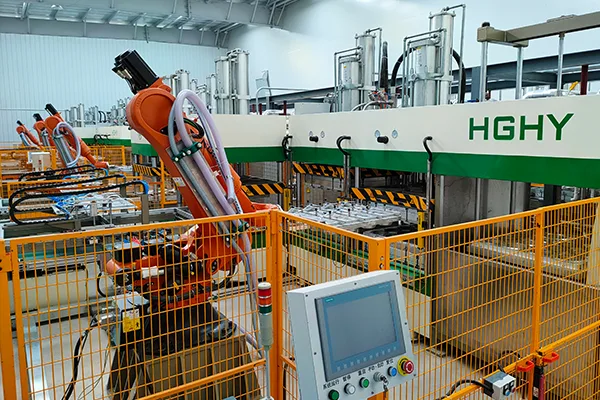
- Fully Automatic Tableware Machine: This machine handles the entire production process—from pulp molding, drying, and hot pressing to final product cutting and stacking—without manual intervention.

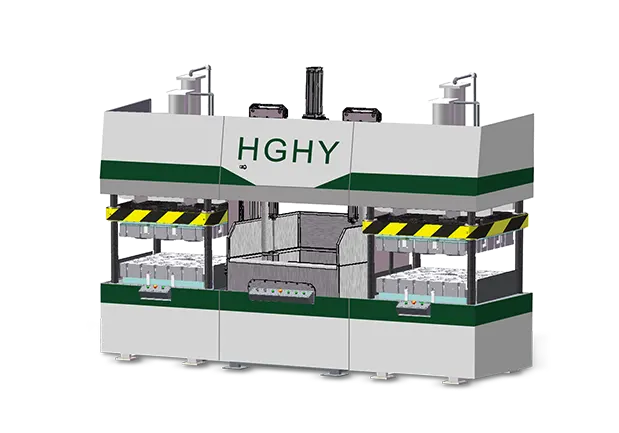
- Semi-Automatic Tableware Machine: Requires some manual operations, typically in product transfer, drying, and stacking processes. While the molding process is automated, operators are needed for intermediate steps.
2. Key Differences Between Fully Automatic and Semi-Automatic Machines
| Feature | Fully Automatic Machine | Semi-Automatic Machine |
|---|---|---|
| Automation Level | Fully automated | Partially automated |
| Labor Requirement | Minimal | Higher |
| Production Speed | High | Moderate |
| Investment Cost | Higher initial cost | Lower initial cost |
| Operational Cost | Lower (less labor required) | Higher (more labor needed) |
| Maintenance | More complex | Easier maintenance |
| Space Requirement | Larger footprint | Requires less space |
3. Pros and Cons of Fully Automatic Tableware Machines
Pros:
- High Efficiency & Production Output: Capable of mass production with minimal human intervention.
- Lower Long-Term Labor Costs: Fewer workers are needed, reducing operational expenses.
- Consistent Quality: Automated systems ensure uniform product quality.
- Advanced Technology: Features such as automatic fault detection and energy-saving systems improve performance.
Cons:
- Higher Initial Investment: Requires a significant upfront cost for equipment and installation.
- Complex Maintenance: More sophisticated technology means specialized maintenance and potential downtime.
- Requires More Space: Needs a larger factory setup.
4. Pros and Cons of Semi-Automatic Tableware Machines
Pros
- Lower Initial Investment: Ideal for startups and small businesses with limited budgets.
- Easier Maintenance: Fewer electronic components mean simpler troubleshooting.
- More Flexible Production: Suitable for businesses with lower production demands or customized orders.
Cons:
- Higher Labor Costs: Requires more workers, increasing long-term operational expenses.
- Slower Production Speed: Not as efficient as fully automated machines.
- Inconsistent Quality: Manual handling may lead to variations in product quality.
5. Which One Should You Choose?
- Choose a Fully Automatic Machine If:
- You need high production capacity (e.g., producing thousands of tableware products per hour).
- You want to reduce long-term labor costs.
- You have sufficient space and budget for automation.
- Choose a Semi-Automatic Machine If:
- You are starting with a small budget and limited space.
- Your production demand is moderate or seasonal.
- You prefer a flexible and easily maintained system.
Conclusion
The choice between a fully automatic and semi-automatic tableware machine depends on your business size, budget, and production goals. Fully automatic machines offer higher efficiency and cost savings in the long run, while semi-automatic machines provide affordability and flexibility. By carefully evaluating your business needs, you can make the right investment to ensure sustainable and profitable operations.