In the healthcare industry, the need for safe, sterile, and sustainable packaging is paramount. Traditional packaging materials like plastic and foam, while effective, often contribute to environmental pollution and waste. Enter pulp medical supplies containers and pulp molding machines—a revolutionary combination that is transforming the way medical supplies are packaged. This article explores the benefits of pulp-based medical containers, the role of pulp molding machines in their production, and why this innovation is a game-changer for the healthcare sector.

What Are Pulp Medical Supplies Containers?
Pulp medical supplies containers are eco-friendly packaging solutions made from molded pulp. They are designed to safely store and transport medical supplies such as syringes, gloves, masks, and other sterile equipment. These containers are created using recycled paper pulp, making them biodegradable, compostable, and environmentally sustainable.
Unlike traditional plastic packaging, pulp containers are sturdy, lightweight, and capable of withstanding sterilization processes such as autoclaving. They are also customizable, allowing manufacturers to design containers that meet specific medical packaging requirements.
Why Pulp Containers Are Ideal for Medical Supplies
- Eco-Friendly:
Made from recycled paper, pulp containers reduce reliance on non-biodegradable materials like plastic. They decompose naturally, minimizing environmental impact. - Sterilization Compatibility:
Pulp containers can withstand high temperatures and pressure, making them suitable for sterilization processes like autoclaving. This ensures that medical supplies remain sterile and safe for use. - Durability and Protection:
Despite being lightweight, pulp containers are highly durable and provide excellent protection for fragile medical supplies during transportation and storage. - Cost-Effective:
The raw materials used in pulp containers are inexpensive and widely available, reducing production costs. Additionally, the manufacturing process is energy-efficient. - Customizable:
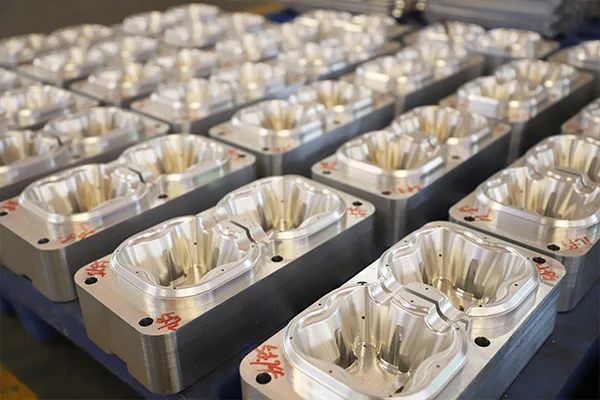
Pulp molding machines can produce containers in various shapes and sizes, tailored to the specific needs of medical equipment manufacturers.
The Role of High-end Package Making Machine (Pulp Molding Machines)
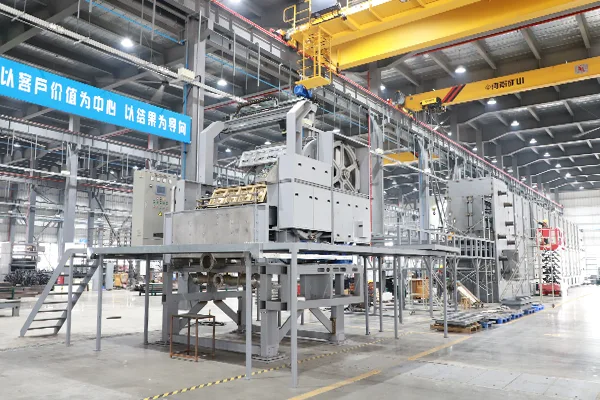
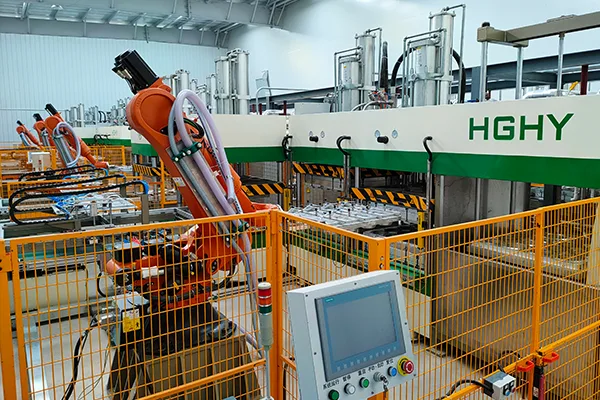
High-end Package Making Machine (Pulp molding machines) are the backbone of pulp medical supplies container production. These machines transform recycled paper into molded pulp products through a series of automated processes. Here’s how they work:

1. Pulping
Waste paper is mixed with water in a hydrapulper to create a uniform pulp mixture. The hydrapulper shreds the paper and blends it with water to form a slurry, which is then stored in a pulp tank.
2. Molding
The pulp slurry is transferred to the molding system, where it is poured into specially designed molds. A vacuum system removes excess water, leaving behind the formed containers. The molds can be customized to produce containers of different shapes and sizes.
3. Drying
The molded containers are dried to remove any remaining moisture. Drying methods include:
- Natural Drying: Sun drying, which is cost-effective but time-consuming.
- Brick Drying: Uses heat generated by a furnace for faster drying.
- Metal Drying: The most efficient method, ideal for large-scale production.
4. Finishing and Packaging
Once dried, the containers are trimmed, inspected, and packed for delivery. Advanced machines may include automatic stacking and packing systems to streamline this process.
Benefits of Pulp Molding Machines for Medical Packaging
- Sustainability:
Pulp molding machines use recycled paper as their primary raw material, reducing waste and promoting a circular economy. - Versatility:
These machines can produce a wide range of molded pulp products, including medical containers, trays, and packaging for other industries. - Efficiency:
Modern pulp molding machines are highly automated, ensuring consistent quality and high production rates. - Cost-Effectiveness:
The use of inexpensive raw materials and energy-efficient processes makes pulp molding machines a cost-effective solution for medical packaging. - Customization:
The ability to create custom molds allows manufacturers to produce containers tailored to specific medical supplies.
Applications of Pulp Medical Supplies Containers
Pulp containers are widely used in the healthcare industry for packaging:
- Sterile surgical instruments
- Disposable gloves, masks, and gowns
- Syringes and needles
- Diagnostic kits and medical devices
- Pharmaceutical products
Their versatility and eco-friendly nature make them suitable for both single-use and reusable applications.
Building a Production Line for Pulp Medical Containers
Setting up a production line for pulp medical supplies containers involves the following steps:
- Market Research:
Analyze the demand for sustainable medical packaging in your target market. Identify potential customers, such as hospitals, clinics, and medical equipment manufacturers. - Machine Selection:
Choose a pulp molding machine that meets your production needs. Consider factors such as production capacity, automation level, and drying method. - Raw Material Sourcing:
Establish a reliable supply chain for waste paper. Ensure the paper is clean and free from contaminants to maintain product quality. - Production Setup:
Install the machine and set up the production line, including the pulping, molding, drying, and packing sections. Ensure proper ventilation and space for drying. - Quality Control:
Implement quality control measures to ensure the containers meet medical industry standards. Regularly inspect the containers for strength, durability, and uniformity. - Marketing and Sales:
Develop a marketing strategy to promote your products. Highlight the eco-friendly and sterilization-compatible nature of your containers to attract customers.
Challenges and Solutions
- Initial Investment:
The upfront cost of a pulp molding machine can be high. To mitigate this, start with a smaller, semi-automatic model and upgrade as your business grows. - Maintenance:
Regular maintenance is essential to keep the machine running smoothly. Schedule routine inspections and repairs to avoid downtime. - Drying Efficiency:
Drying can be a bottleneck in the production process. Invest in an efficient drying system, such as a metal drying line, to improve productivity.
Conclusion
Pulp medical supplies containers and pulp molding machines represent a significant step forward in sustainable healthcare packaging. By replacing traditional plastic and foam packaging with biodegradable, eco-friendly alternatives, this innovation addresses both environmental concerns and the unique needs of the medical industry. For businesses, investing in pulp molding technology is not only a smart financial decision but also a commitment to sustainability and innovation. As the demand for green packaging solutions continues to grow, pulp-based medical containers are poised to become the standard in healthcare packaging worldwide.