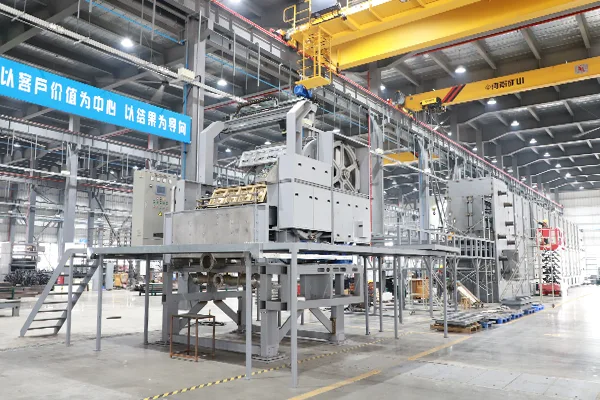
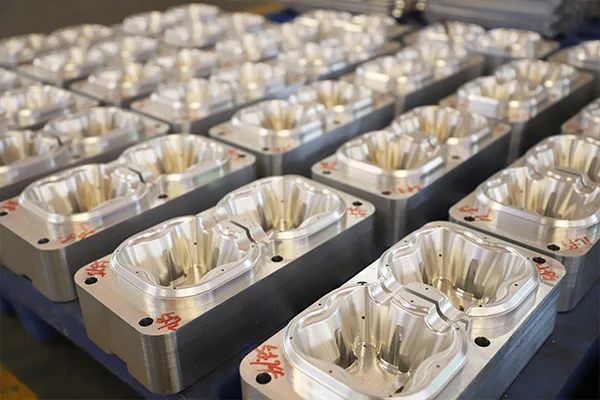
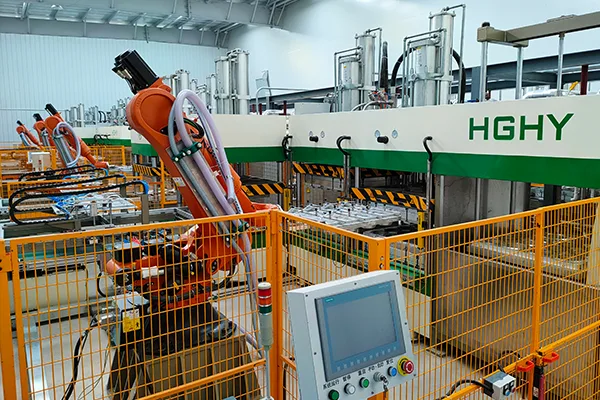
Pulp phone cases are an innovative alternative to traditional plastic phone cases, designed not only for functionality but also with an emphasis on environmental sustainability. These cases are manufactured using natural materials, predominantly sourced from agricultural waste and recycled paper pulp. The production process for pulp phone cases involves the use of a pulp molding machine, which shapes the organic materials into durable and lightweight phone cases, offering an eco-friendly option for consumers.

The significance of pulp phone cases in the current market cannot be overstated. With an increasing number of consumers becoming eco-conscious, there is a noticeable shift towards products that minimize environmental impact. Pulp phone cases stand out for their biodegradability and reduced carbon footprint when compared to their plastic counterparts. This has led to a growing demand for sustainable packaging solutions in the smartphone industry, encouraging manufacturers to explore products that align with the current market trends.
The benefits of using pulp for phone packaging extend beyond environmental concerns. Pulp phone cases not only protect devices but also retain an aesthetic appeal that many users find attractive. As consumer preferences shift towards sustainable products, the practicality and design of pulp cases have become increasingly relevant. Additionally, innovations in the pulp molding process ensure that these cases provide adequate protection against everyday wear and tear, making them a viable choice for consumers who seek both eco-friendliness and functionality in their phone accessories.
In light of these factors, the rise of pulp phone cases represents a significant trend in the smartphone accessory market, blending sustainability and design to cater to the evolving preferences of eco-conscious consumers.
The Manufacturing Process of Pulp Phone Cases
The manufacturing of pulp phone cases is a sophisticated process that incorporates several steps to transform raw materials into protective and environmentally friendly packaging solutions. The journey begins with the sourcing of raw materials, primarily recycled paper and bamboo fibers. These materials are chosen for their sustainability and ability to provide adequate strength and flexibility in the final product. Sourcing high-quality fibers is crucial as it affects both the appearance and durability of the resulting phone case.
Once the raw materials are gathered, they undergo the pulping process, where they are mixed with water and chemicals to break down the cellulose fibers. This blending process creates a slurry that can be further refined. The quality of pulp produced at this stage is vital since it dictates not only the structural integrity of the phone packaging but also its overall aesthetic appeal.
After pulping, the next step is molding. The slurry is poured into molds that determine the shape and design of the pulp phone cases. Advanced pulp molding machines play a significant role in this phase, allowing for the production of intricate designs while ensuring uniform thickness and texture. These machines use pressure and vacuum techniques to form the slurry into desired shapes effectively.
Following molding, the newly formed phone inserts undergo a drying process. This step is essential for removing excess moisture, which could compromise the strength and longevity of the phone case. The drying phase often employs technologically advanced methods to enhance efficiency and minimize energy consumption. After drying, the cases are finished with surface treatments such as sanding or coating to improve their tactile feel and visual appeal.
The comprehensive manufacturing process of pulp phone cases highlights a commitment to sustainability while ensuring the product meets the consumer’s functional and aesthetic requirements. Each step—sourcing, pulping, molding, drying, and finishing—contributes significantly to creating a high-quality, eco-friendly phone case.
Machines Used in Pulp Phone Case Production
The production of pulp phone cases involves a series of specialized machines that work in concert to transform raw materials into functional and sustainable phone packaging solutions. At the heart of this process is the pulp molding machine, which plays a crucial role in shaping and forming the pulp into desired configurations. This machine operates by converting cellulose fibers, often sourced from recycled paper, into a slurry that can be molded into specific designs for use in phone inserts and cases.
Thermoforming High-end Package Making Machine
HGHY Thermoforming High-end Package Making Machine are specialized equipment used to produce eco-friendly, biodegradable packaging solutions from pulp materials. These machines utilize heat and pressure to mold pulp into various shapes and sizes, creating sturdy, environmentally sustainable packaging products such as trays, clamshells, plates, and containers. Pulp thermoforming is widely used in the food industry, electronics, consumer goods, and more.
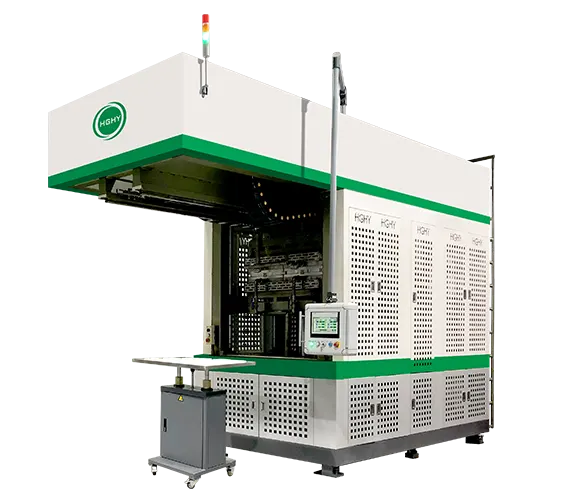
Following the initial shaping, the formed pulp products are moved to the drying stage, where drying machines are utilized to remove excess moisture. This is a critical step in the production line as the integrity and durability of the phone case depend significantly on the moisture content. Advanced drying technologies, such as infrared and convection dryers, are increasingly being adopted for their efficiency, drastically reducing the time needed for drying while ensuring that the quality of the pulp is maintained.
Once the pulp phone cases are dried, they proceed to the finishing machines, where processes such as trimming, surface treatment, and quality inspections are conducted. These machines are essential for enhancing the aesthetics and functionality of the final product, ensuring that each phone case is not only environmentally friendly but also capable of providing adequate protection for the devices they are designed for. Furthermore, automation is playing a transformative role in these machines, with smart technology being integrated to increase production speed and output consistency. This innovative approach not only streamlines the overall process but also improves the quality control measures necessary for high-demand markets.
The Future of Pulp Phone Case Production
The future of pulp phone case production appears promising, presenting numerous opportunities stemming from advancements in technology and shifts in consumer behaviors. As sustainability continues to drive market preferences, manufacturers are increasingly adopting environmentally friendly materials. Pulp, derived from renewable resources, stands out as an appealing alternative to conventional plastics. This shift is not only helping to reduce carbon footprints but is also responding to the growing demand for eco-conscious products among consumers.
Technological innovations, such as the development of advanced pulp molding machines, are expected to enhance production efficiency and scalability. These machines can significantly streamline the manufacturing process, allowing for greater customization of phone cases to meet specific consumer desires. As manufacturers invest in such technologies, the potential to produce durable and aesthetically pleasing phone inserts at scale becomes feasible, helping to overcome some of the challenges currently faced in the industry.
Moreover, as more companies recognize the benefits of sustainable materials, competition within the phone packaging sector may intensify. This could drive innovation, resulting in improved designs and functionalities that leverage the unique properties of pulp. However, the transition to pulp phone cases is not without its challenges. Manufacturers must navigate hurdles such as cost competition with traditional materials and the need for widespread consumer education regarding the benefits of pulp products.
Despite these challenges, emerging opportunities exist in niche markets that prioritize sustainability. For example, brands targeting environmentally conscious consumers can differentiate themselves by offering innovative pulp phone cases, thus capturing a segment of the market increasingly willing to invest in sustainable options. Additionally, partnerships with recycling companies could facilitate closed-loop systems that reinforce the sustainability message.
In conclusion, as technology progresses and consumer behaviors shift towards sustainability, pulp phone case production is poised for growth. By addressing industry challenges and capitalizing on emerging market opportunities, the future of pulp phone packaging looks bright and full of potential.