As global demand for eco-friendly packaging continues to rise, molded fiber products such as egg trays, fruit trays, and industrial cushioning packaging are becoming the preferred alternative to plastic.
The Rotary Tray Fiber Molding Solution stands out as the most efficient and scalable production system for manufacturers aiming to achieve high output, low cost, and sustainable production.
What is a Rotary Tray Fiber Molding Solution?
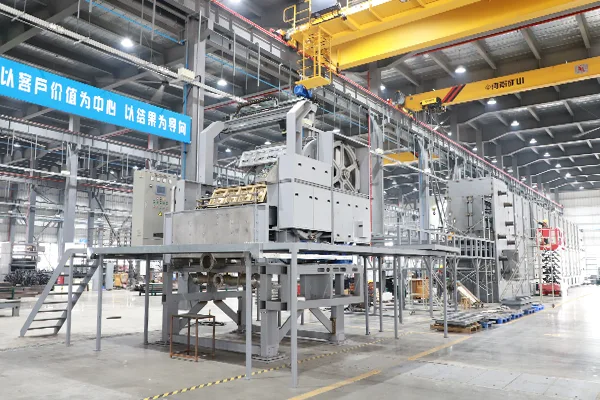
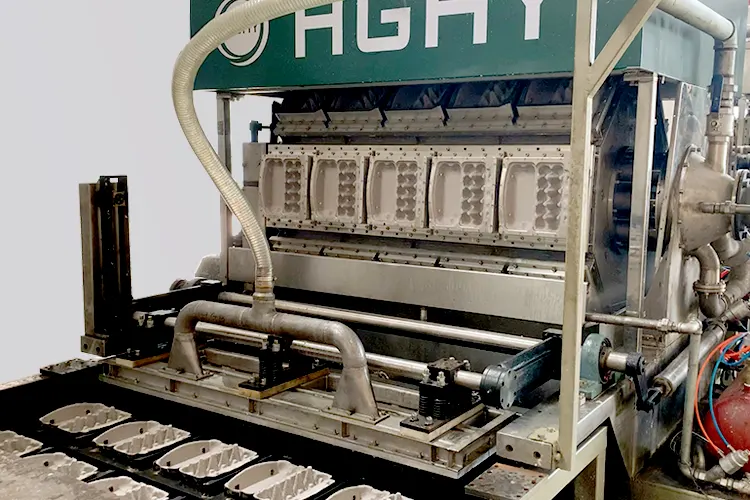
A rotary tray fiber molding solution is a fully automated pulp molding production line that uses a rotating drum system to continuously form, transfer, and produce molded fiber products.
It is specifically designed for mass production of standard packaging items such as:
- Egg trays (6, 10, 12, 18, 30 eggs)
- Egg cartons
- Fruit trays
- Cup carriers
- Industrial packaging inserts
Compared to reciprocating systems, rotary machines provide continuous operation, significantly improving productivity.
Key Advantages of Rotary Molding Technology
1. High Production Capacity
Rotary systems operate continuously with multiple forming molds, allowing production capacities ranging from:
- 3,000 to 8,000 pcs/hour (small scale)
- 10,000 to 30,000 pcs/hour (industrial scale)
This makes it ideal for large-volume packaging manufacturers.
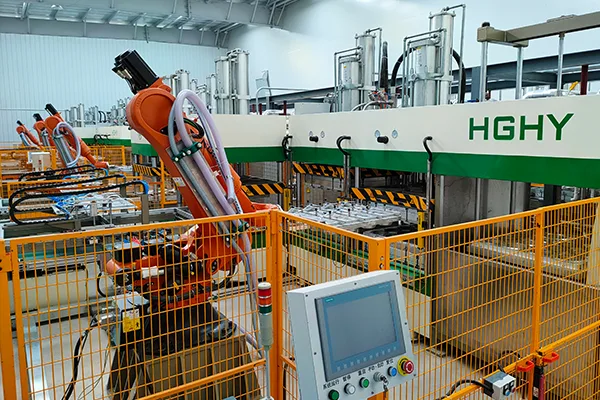
2. Fully Automated Operation
The system integrates:
- Automatic pulp feeding system
- Rotary forming system
- Automatic transfer system
- Drying line (metal dryer / brick dryer)
- Stacking system
This reduces manual labor and ensures consistent product quality.
3. Energy-Efficient Drying System
Drying is a critical stage in pulp molding. Rotary solutions support multiple drying options:
- Natural drying (low investment)
- Brick kiln drying
- Metal drying line (gas, diesel, biomass, or steam heating)
Modern systems are optimized for low energy consumption and high thermal efficiency.
4. Wide Raw Material Compatibility
The solution supports various recycled and natural fibers:
- Waste paper
- Old newspapers (ONP)
- Cartons and corrugated paper
- Sugarcane bagasse
- Bamboo fiber
This flexibility allows manufacturers to reduce raw material costs while promoting sustainability.
5. Strong and Customizable Product Output
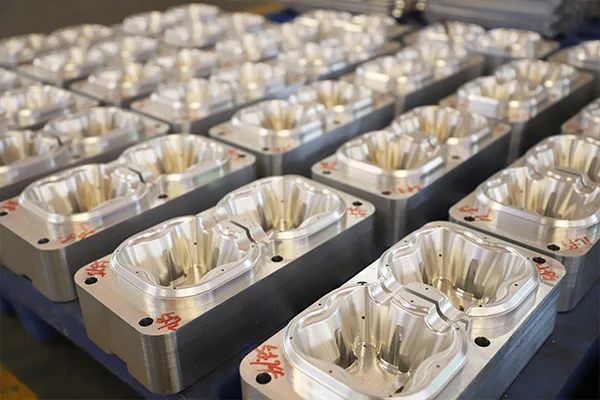
With precision molds and forming technology, the system produces:
- Uniform thickness
- High structural strength
- Excellent shock absorption
Custom mold design allows production of tailored packaging solutions for different industries.
Core Components of the Production Line
A complete rotary tray fiber molding solution typically includes:
1. Pulping System
Converts waste paper into uniform pulp slurry.
2. Rotary Forming Machine
The core unit where trays are shaped through vacuum forming.
3. Drying System
Removes moisture using controlled heat sources.
4. Packaging System
Includes stacking, counting, and optional wrapping.
Applications Across Industries
The rotary molding solution is widely used in:
- Agriculture – egg trays, fruit trays
- Food & Beverage – cup carriers, takeaway packaging
- Electronics – protective packaging inserts
- Consumer Goods – eco-friendly packaging solutions
With increasing environmental regulations, molded fiber packaging is rapidly replacing plastic foam and blister packaging.
Why Invest in a Rotary Tray Fiber Molding Solution?
Investing in this solution offers clear business advantages:
- Lower production cost per unit
- High return on investment (ROI)
- Scalable production capacity
- Compliance with global environmental policies
- Strong market demand for sustainable packaging
For investors and manufacturers, it represents a future-proof business opportunity.
Conclusion
The Rotary Tray Fiber Molding Solution is the ideal choice for companies looking to enter or expand in the eco-packaging industry. With its high efficiency, automation, and sustainability, it provides a competitive edge in today’s environmentally conscious market.
If you are planning to build a high-capacity molded pulp production line, now is the perfect time to adopt rotary molding technology and lead the transition toward green packaging.