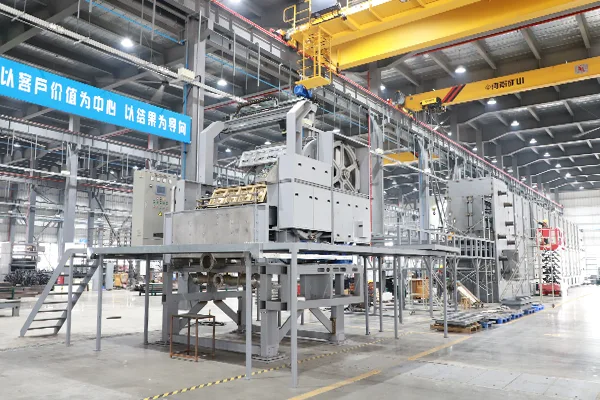
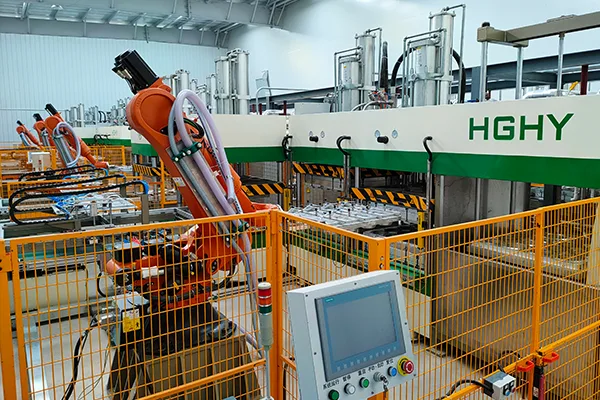
The production of eco-friendly bagasse tableware hinges on both the quality of the raw material and the precision of the manufacturing process. A crucial aspect of this process is the mold design and surface treatment, which significantly influence the performance and aesthetics of the final product. In this article, we will explore the key considerations for mold design and surface treatment in bagasse tableware production.

Mold Design for Bagasse Tableware
Mold design plays a vital role in ensuring the efficiency and quality of bagasse tableware production. Here are several factors to consider:
- Material Compatibility
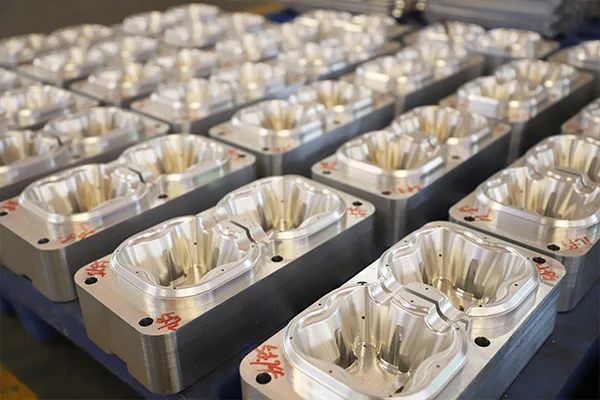
The mold material must be compatible with bagasse pulp, ensuring proper molding and minimal wear and tear. Common materials used for molds include stainless steel, aluminum, and durable plastics. Stainless steel is often preferred due to its resistance to corrosion and ability to withstand high temperatures. - Mold Geometry
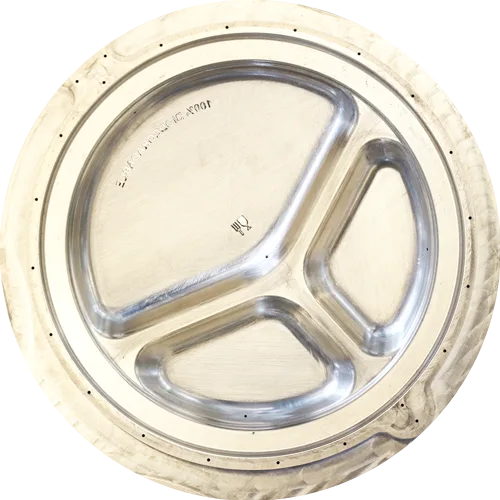
The design of the mold should take into account the desired shape and size of the tableware. The mold geometry must ensure uniform pressure distribution during the forming process, preventing defects like warping or uneven thickness. Precision in mold design is essential to avoid defects and optimize the production process. - Cooling and Heating Channels
Incorporating efficient cooling and heating channels within the mold design can significantly reduce the cycle time of production. Bagasse pulp, being highly absorbent, requires precise temperature control during both the forming and curing stages. Molds with well-designed temperature management systems improve both the quality and efficiency of the production process. - Easy Mold Release Mechanism
To enhance productivity, mold designs should include a mechanism that ensures easy and quick removal of the molded bagasse tableware without damaging the product. Proper mold release mechanisms also reduce the risk of pulp sticking to the mold, ensuring a smoother finish and faster turnaround. - Mold Maintenance and Durability
Molds used in bagasse tableware production should be designed for easy maintenance and high durability. This includes using materials and coatings that can withstand wear and tear over extended production cycles. Regular cleaning and maintenance of molds are essential to prevent defects caused by residue buildup or mold degradation.
Surface Treatment for Bagasse Tableware
After molding, the surface treatment of bagasse tableware plays a crucial role in enhancing its aesthetics, durability, and functionality. Here are the key methods of surface treatment:
- Coating for Smooth Finish
A common surface treatment for bagasse tableware is applying a biodegradable coating that gives the product a smooth, glossy finish. Coatings like plant-based wax or starch-based film can enhance the visual appeal while providing a protective layer to prevent leaks or staining. These coatings are eco-friendly and complement the sustainable nature of bagasse tableware. - Polishing
Polishing the surface of molded bagasse tableware not only enhances its appearance but also improves its resistance to abrasion. Polishing helps reduce the porous texture of bagasse, making it more resistant to moisture and improving its overall strength. This surface treatment also gives the tableware a more refined look, making it more appealing for high-end food service establishments. - Heat Treatment
Heat treatment is sometimes used after the molding process to improve the strength and rigidity of bagasse tableware. The high temperature enhances the bonding between fibers, resulting in a more robust product that can withstand the rigors of food service. Heat treatment also reduces the moisture content of the tableware, ensuring it remains firm during use. - Surface Texturing
In some cases, manufacturers opt for surface texturing to give the bagasse tableware a unique look and feel. This can be achieved through mold design or by using specific techniques that create subtle patterns on the surface of the product. Texturing not only enhances the product’s visual appeal but also improves its grip and prevents slippage when used. - Waterproofing and Oil Resistance
While bagasse is biodegradable and eco-friendly, its absorbent nature can make it vulnerable to liquids and oils. To address this, manufacturers often apply water- and oil-resistant treatments to the surface of bagasse tableware. These treatments can be either natural or synthetic, but they need to be safe for contact with food and align with the sustainability goals of the production process.
Conclusion: Integrating Mold Design and Surface Treatment
In the production of high-quality bagasse tableware, mold design and surface treatment are essential elements that directly affect both the aesthetic appeal and functionality of the final product. By focusing on mold material selection, precision geometry, cooling systems, and effective surface treatments, manufacturers can produce durable, attractive, and environmentally friendly tableware that meets consumer needs.
For more insights on improving the quality of bagasse pulp for tableware production, you can refer to How to Improve the Quality of Bagasse Pulp for Tableware Production. By optimizing both the mold design and surface treatment, producers can elevate the quality of bagasse-based products and enhance their competitive edge in the eco-friendly tableware market.