Egg trays are typically made from recycled paper, which is turned into pulp and then molded into the desired shape. The process is efficient, eco-friendly, and widely used in packaging industries worldwide. The key steps in egg tray production include:
- Pulping: The first step is creating the pulp, which involves mixing waste paper, cardboard, or other cellulose-based materials with water. This mixture is processed in a pulping machine to break down the fibers into a slurry. The quality of the pulp can be adjusted depending on the type of paper used and the end product requirements.
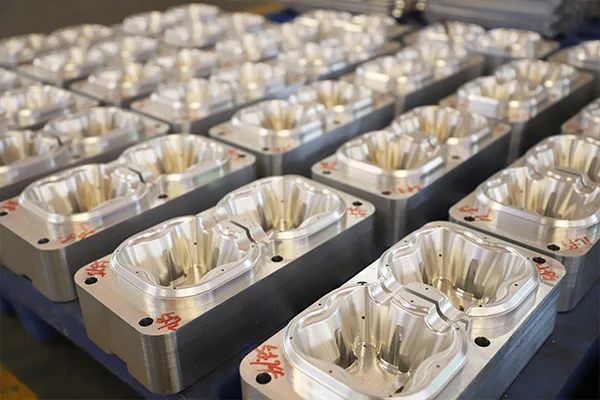
- Molding: The pulp is then transferred to the molding system, where it is shaped into egg trays. The molding machine uses molds with the desired tray shape, and vacuum suction is applied to draw the pulp onto the mold. Excess water is drained, and the fibers bond together, forming the tray’s structure.
- Drying: After molding, the wet trays are dried to remove the remaining moisture. This can be done through different methods:
- Natural drying: Air drying in the sun, used in small-scale or cost-sensitive operations.
- Drying ovens: Large drying chambers that use heat to quickly evaporate moisture, suitable for higher production volumes.
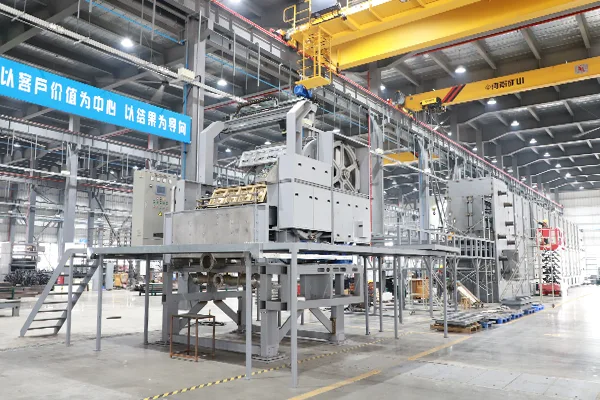
- Multilayer drying systems: Industrial drying systems with multiple layers that allow for continuous drying in a compact space, increasing efficiency.
- Hot Pressing (Optional): For a smoother finish and better dimensional stability, the trays may undergo a hot pressing process. This step compresses the tray, making it more rigid and giving it a refined appearance.
- Packaging: The finished trays are then counted, stacked, and packed for shipment. Depending on the scale of production, automated systems can be used for counting and packaging.
Machines Involved in Egg Tray Production
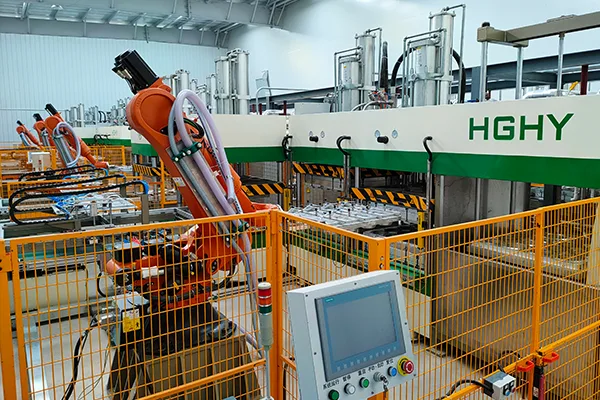
Various machines are used at different stages of egg tray production, depending on the scale and specific requirements. One of the well-known brands in this industry is HGHY, which manufactures a range of egg tray making machines.

HGHY Egg Tray Making Machine
- Production Capacity:
- Mid-range models can produce 3,000 to 6,000 trays per hour, catering to medium-sized enterprises.
- High-capacity models can produce between 6,000 to 12,000 trays per hour or more, ideal for large-scale industrial production.
- Suitability for Different Businesses:
- Medium Enterprises: Medium-sized models offer a balance between investment and output, allowing businesses to meet local demand efficiently without requiring a massive initial investment.
- Large Enterprises: Large models are designed for high-demand environments, such as serving large agricultural markets, supplying major retailers, or exporting. These machines require significant capital investment but offer economies of scale and high production efficiency.
- Investment Value:
- Initial Costs: The initial investment in an HGHY machine varies widely depending on the model and production capacity. Entry-level machines are more affordable, while large-scale machines require a substantial investment.
- Operational Costs: Operating these machines involves costs related to energy consumption, maintenance, labor, and raw materials (paper). However, the efficiency of HGHY machines helps in minimizing these costs, especially with advanced models that feature automated systems.
- Return on Investment (ROI): The ROI for an HGHY machine can be significant, especially in markets where eco-friendly packaging is in high demand. The machines are built to be durable, reliable, and efficient, ensuring a steady production process and high-quality output. Given the global shift towards sustainable packaging, businesses using these machines can expect a good return on their investment.
- Market Demand: The demand for biodegradable and eco-friendly packaging solutions, including molded pulp products like egg trays, is growing globally. With increasing environmental regulations and consumer preference for sustainable products, investing in an HGHY egg tray making machine positions a business well in a competitive market.
Conclusion
Investing in an HGHY Egg Tray Making Machine can be a strategic move for businesses of all sizes looking to enter or expand in the sustainable packaging industry. The machines offer scalability, efficiency, and reliability, making them a valuable asset in a growing market. For small and medium-sized businesses, these machines provide an entry point into the eco-friendly packaging sector, while large enterprises can leverage the high-capacity models to meet substantial demand and achieve significant economies of scale.