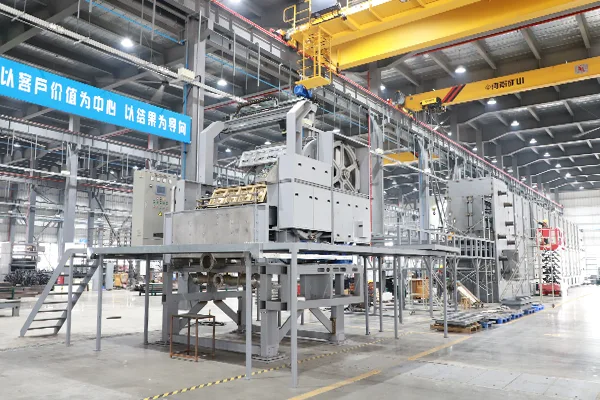
Building a paper cup tray production line involves meticulous planning and execution to ensure efficiency, sustainability, and high-quality output. As demand for eco-friendly packaging solutions rises, investing in a production line for paper cup trays not only meets market needs but also aligns with environmental goals. This project requires careful consideration of various factors, including machinery selection, material sourcing, production processes, and compliance with safety standards. Attention to detail in each phase will maximize productivity and product quality while minimizing waste and operational costs.

Key Considerations for Building the Production Line
1. Market Research: Assess demand for paper cup trays in your target market to determine production capacity and design specifications.
2. Material Selection: Choose high-quality, sustainable raw materials, such as recycled paper, ensuring compatibility with the production process.
3. Machinery Options: Select reliable machines for pulping, molding, drying, and packaging, focusing on energy efficiency and automation.
4. Process Design: Create a streamlined workflow to minimize bottlenecks, ensuring smooth transitions between production stages.
5. Quality Control: Implement strict quality control measures at each stage to guarantee product consistency and compliance with industry standards.
6. Safety Regulations: Ensure all equipment meets safety standards and train staff on proper operating procedures to maintain a safe work environment.
7. Maintenance Plans: Develop a maintenance schedule to ensure machinery operates efficiently and to prevent unexpected downtime.
8. Training and Support: Invest in staff training for operation and troubleshooting, and ensure access to technical support from machinery suppliers.
9. Sustainability Practices: Incorporate waste reduction and recycling practices into the production process to enhance sustainability.
10. Budgeting: Create a detailed budget that includes machinery, facility costs, labor, and operational expenses to avoid financial pitfalls.
By focusing on these aspects, you can successfully establish a paper cup tray production line that meets market demands while promoting sustainability. If you’d like to delve deeper into any specific area, let me know!
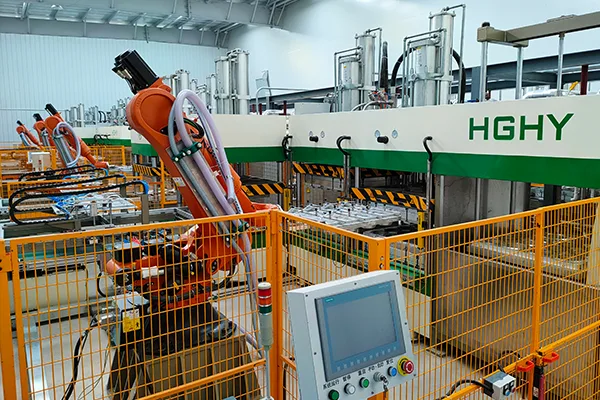
HGHY paper tray production line – Molded Pulp Industrial Packaging Machine
The HGHY paper tray production line is designed for efficiency and sustainability, focusing on producing various paper trays, including egg trays and cup trays. Here are some key features and considerations:

Key Features
1. High Efficiency: The production line is designed for high output, capable of producing a significant number of trays per hour.
2. Automatic Operation: Many models offer automated processes, including pulp molding, drying, and packaging, which enhances productivity and reduces labor costs.
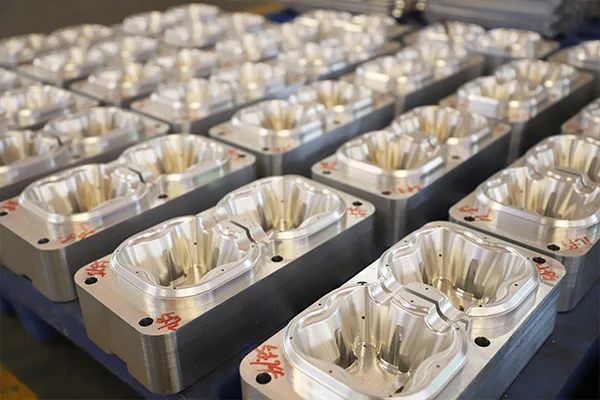
3. Customizable Molds: HGHY provides options for custom molds, allowing you to produce different tray designs and sizes based on market demand.
4. Energy-Saving Design: The machines are built to minimize energy consumption, which helps lower operational costs and supports sustainability initiatives.
5. Durability: Constructed with high-quality materials, the machines are designed for longevity and reliable performance.
6. User-Friendly Interface: The control systems are typically intuitive, making it easier for operators to monitor and adjust settings.
7. Technical Support: HGHY often provides comprehensive training, installation support, and ongoing technical assistance.
Considerations
1. Initial Investment: Evaluate the total costs, including machinery, setup, and raw materials, to ensure it fits your budget.
2. Space Requirements: Ensure that your facility can accommodate the production line layout, including machinery, storage, and workflow.
3. Quality Control: Implement robust quality assurance processes to maintain the consistency and reliability of your trays.
4. Sustainability: Focus on sourcing eco-friendly raw materials and implementing waste reduction practices in your production process.
5. Maintenance: Regular maintenance schedules should be established to ensure optimal performance and reduce downtime.
If you want more specific details on setup, operation, or comparisons with other brands, feel free to ask!