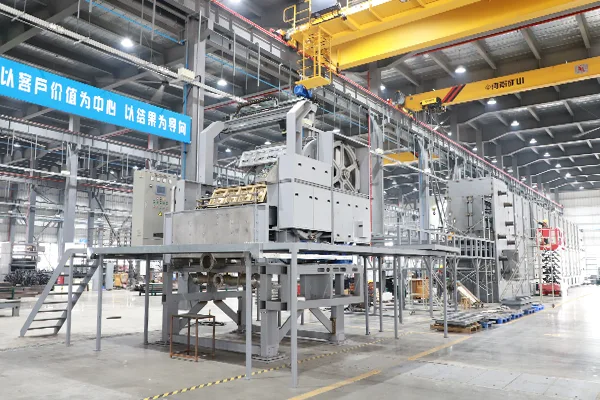
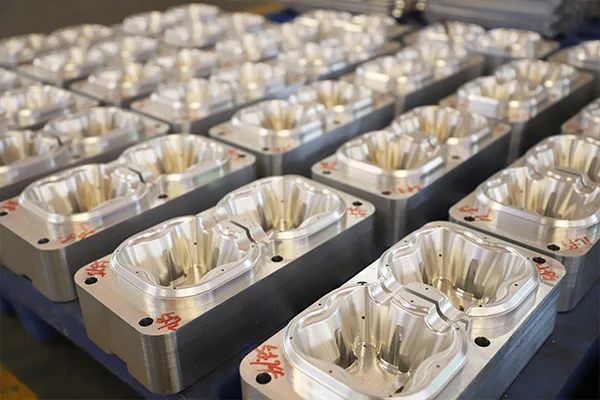
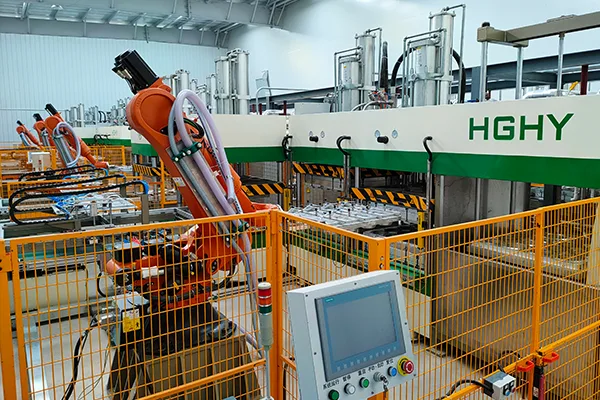
In the pulp molding industry, selecting the right forming technology can significantly impact production efficiency, product quality, and operational costs. Two commonly used methods—Hot Pressing Molding and Traditional Molding (Natural Drying or Heated Drying)—each offer unique advantages and challenges. This article explores these two technologies through the lens of labor costs, moisture content, product shape, and final weight, helping manufacturers make informed investment decisions.
1. Labor Cost & Automation Potential
- Traditional Molding:
Typically requires more manual handling, especially in the drying and collection stages. While semi-automatic lines can reduce some labor, post-forming operations like tray transfer, drying rack management, and stacking often need physical labor. This increases operational costs in regions with high wages. - Hot Pressing Molding:
Leverages integrated automation. The formed wet tray is immediately transferred to the hot pressing mold where it’s compressed, dried, and shaped. This process greatly reduces human intervention, leading to lower long-term labor costs and higher consistency in output.
2. Moisture Content in Formed Products
- Traditional Molding:
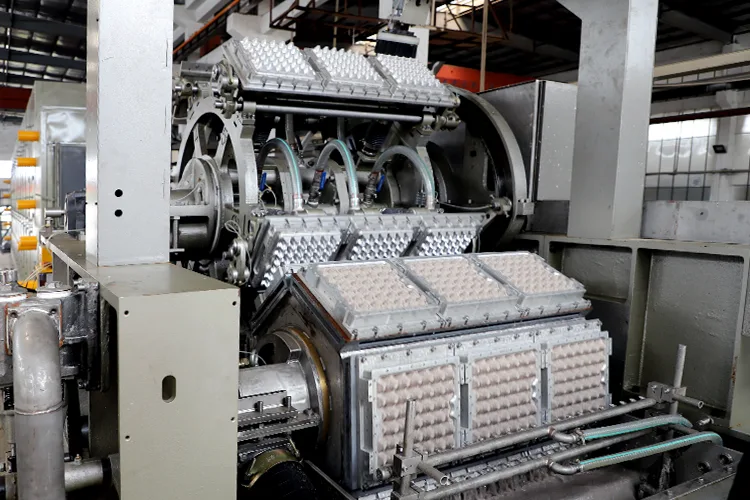
After forming, egg trays contain high moisture content (typically 60-75%), requiring extended drying times (either natural drying under sunlight or mechanical drying in ovens). This increases energy consumption and the risk of deformation or uneven drying. - Hot Pressing Molding:
The pressing process simultaneously shapes and dries the product, reducing moisture content to <10% instantly. This not only saves drying time and energy but also improves product stability and shelf life.
3. Shape and Aesthetic Precision
- Traditional Molding:
Produces standard-shaped egg trays, suitable for common use. However, it is less precise in maintaining detailed design features due to moisture-induced deformation during drying. - Hot Pressing Molding:
Offers high dimensional precision and surface smoothness, thanks to the compressive force and controlled temperature. It’s ideal for high-end egg cartons and retail-grade packaging that require attractive appearance and uniformity.
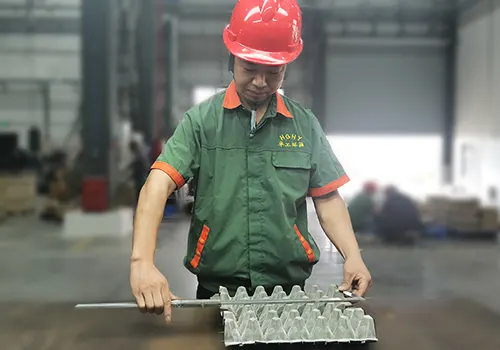
4. Product Weight and Material Utilization
- Traditional Molding:
Requires thicker pulp layers to maintain strength after drying, resulting in heavier products and higher raw material usage per unit. - Hot Pressing Molding:
Uses compressed density, enabling lighter products with equal or greater strength. The weight reduction not only saves pulp but also lowers shipping and logistics costs.
5. Energy Consumption and Space Requirements
- Traditional Molding:
Drying tunnels or open-air drying racks occupy significant floor space. Energy demands can be high if heated drying is used. - Hot Pressing Molding:
Occupies a compact footprint and reduces overall energy usage due to the pre-dehydration and integrated drying process.
Which One Should You Choose?
| Criteria | Traditional Molding | Hot Pressing Molding |
|---|---|---|
| Labor Requirement | High | Low |
| Moisture After Forming | High (60–75%) | Low (<10%) |
| Product Appearance | Basic | Premium |
| Product Weight | Heavy | Lightweight |
| Material Usage | More | Less |
| Automation Compatibility | Limited | High |
| Energy Efficiency | Lower | Higher |
| Space Requirement | Large | Compact |
If your business prioritizes cost-efficiency, automation, consistent product quality, and sustainability, Hot Pressing Molding is the future-proof choice. However, Traditional Molding still offers value for small-scale producers with low-cost labor and basic product requirements.