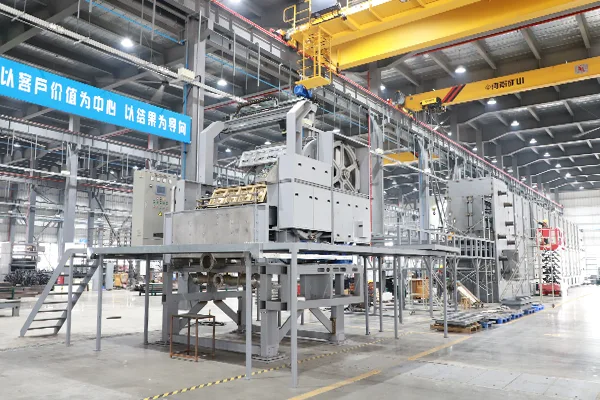
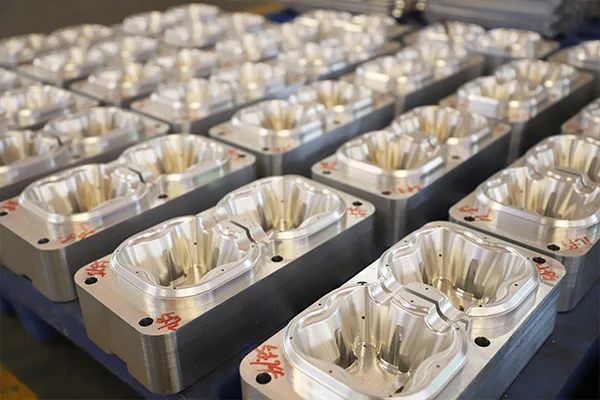
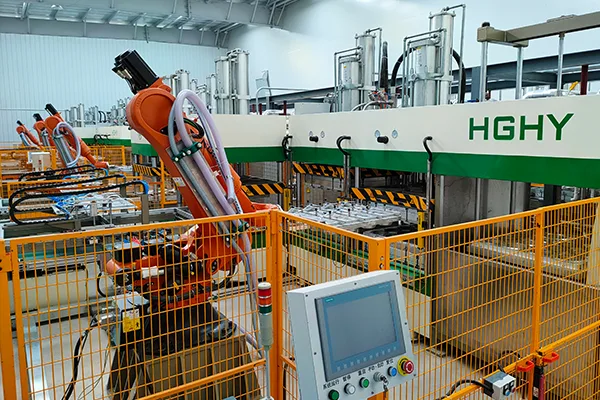
Pulp food packaging refers to eco-friendly, biodegradable containers and materials made from molded pulp. These products are crafted from recycled paper, cardboard, or natural fibers such as bagasse (sugarcane residue), bamboo, or wheat straw. Pulp food packaging is widely used for disposable plates, bowls, trays, clamshell containers, and other foodservice items.
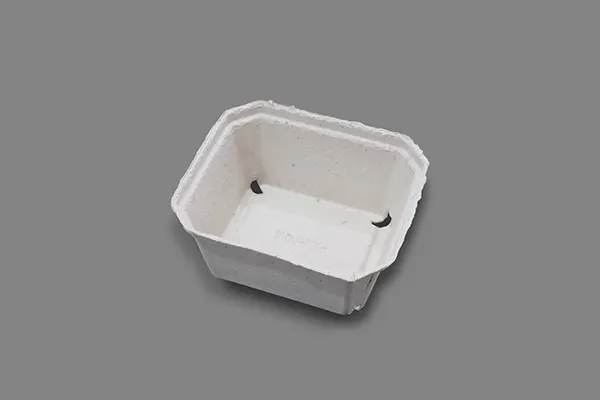

Key Features:
- Eco-Friendly: Made from renewable or recycled resources, it decomposes naturally without harming the environment.
- Durability: Designed to withstand hot, cold, and wet conditions, making it suitable for various types of food.
- Customizable: Easily molded into different shapes and sizes for diverse packaging needs.
- Microwave and Freezer Safe: Many pulp products are suitable for heating and storing food.
- Compostable: Breaks down in commercial composting facilities or even in backyard composting setups.
Applications:
- Takeaway Containers: Clamshells and trays for fast food, salads, and desserts.
- Plates and Bowls: Ideal for picnics, parties, and events.
- Drink Holders: Cup carriers and trays for beverages.
- Produce Packaging: Trays for fruits, vegetables, and eggs.
Pulp food packaging is a sustainable alternative to single-use plastics and foam, aligning with global efforts to reduce environmental pollution and promote greener solutions.
Pulp Food Packaging Machine
A Pulp Food Packaging Machine is a specialized device used to manufacture eco-friendly and biodegradable packaging products from pulp materials, such as waste paper or agricultural fibers. These machines are commonly employed to produce items like:
- Food trays – Automatic Tableware Making Machine
- Clamshell containers – High-end Package Making Machine
- Plates and bowls – Automatic Tableware Making Machine
- Cup carriers – Automatic Hotpress Cup-carrier Machine
- Egg cartons–Automatic Hotpress Egg Carton Machine

Key Features:
- Material: Uses molded pulp, which is a sustainable and recyclable material, often made from recycled paper or plant fibers.
- Molding Process:
- Pulp Preparation: The raw material is mixed with water to create a slurry.
- Molding: The slurry is shaped into molds using suction or pressure.
- Drying: The formed products are dried using heat or natural air.
- Trimming: The edges are cut to achieve the desired shape and finish.
- Automation Levels:
- Semi-Automatic: Requires human intervention in certain steps.
- Fully Automatic: Operates independently with minimal manual input.
Benefits:
- Eco-Friendly: Reduces reliance on plastic packaging.
- Customizable: Molds can be tailored for specific designs or products.
- Cost-Effective: Utilizes recycled materials, minimizing production costs.
- Durable: Provides sturdy and reliable packaging solutions for food storage and transport.
These machines are ideal for industries focusing on sustainable packaging, particularly in response to growing demand for eco-conscious solutions in food service and retail sectors.