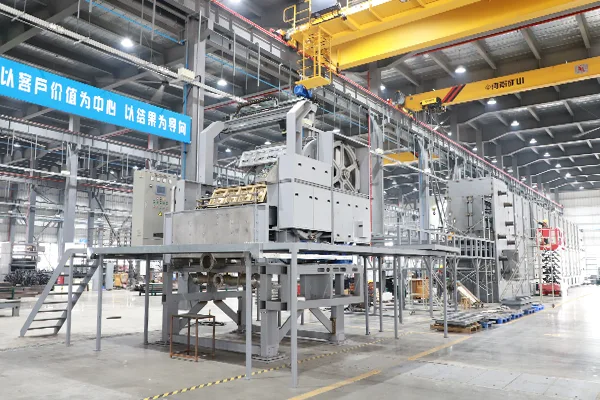
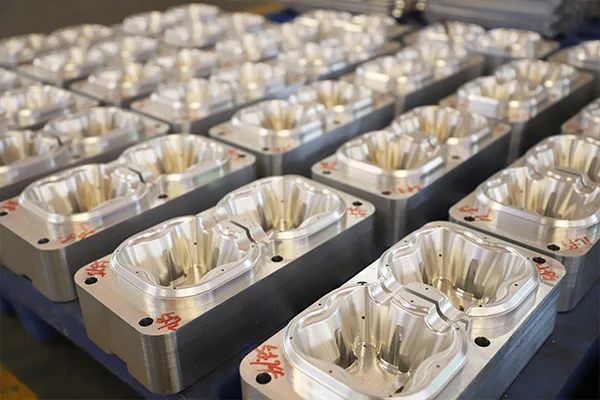
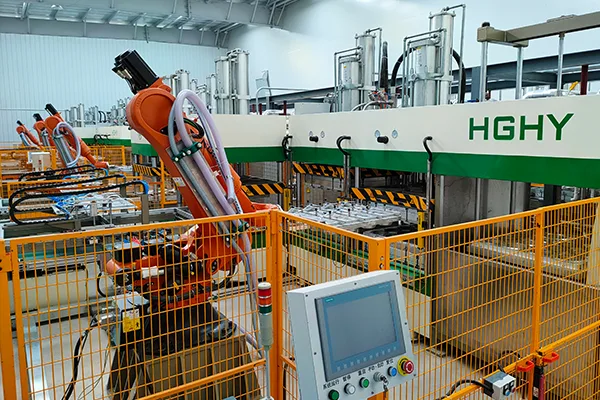
Healthcare packaging rarely makes headlines, yet it sits at the intersection of three forces that any investor pays attention to: steady demand that does not swing with the economy, tightening regulation against plastic, and margins that hold up far better than commodity packaging. Molded pulp — the same fibre technology behind egg cartons and foodservice trays — has quietly moved into the medical and pharmaceutical space, and the plants that produce it are becoming one of the more defensible manufacturing investments available today.
This is not a story about chasing a trend. It is about a product category with a long demand runway, a supply base that is still thin, and an equipment path that lets a newcomer reach medical-grade output without decades of in-house know-how.

Why healthcare packaging is a different kind of market
Most packaging demand rises and falls with consumer spending. Medical packaging does not. Hospitals, clinics, diagnostic labs and pharmaceutical producers consume single-use fibre products every day regardless of the business cycle — kidney dishes, bedpans, urinals, pulp bottles, medicine trays, denture cups and protective inserts for devices and vials.
Several characteristics make this market attractive to a plant operator:
- Non-discretionary demand. Clinical consumables are used once and discarded for hygiene reasons. Volume is tied to patient numbers, not to discretionary budgets.
- Regulatory tailwind. Single-use plastic restrictions keep widening, and healthcare systems in Northern Europe and the UK have used pulp-based disposables in hospital wards for decades — a proven, auditable precedent that newer markets are now following.
- Higher barriers, higher margins. Hygiene standards, dimensional precision and material certification keep casual competitors out. A plant that clears those requirements enjoys pricing power that commodity egg-tray producers never see.
- Export portability. Fibre medical disposables are light, stackable and compostable — straightforward to ship, and welcomed by import markets rewriting their own anti-plastic rules.
Where the demand is heading
The direction of travel is clear even without quoting a single market figure. Public health systems are under pressure to cut plastic from their supply chains; procurement teams increasingly specify compostable fibre over plastic for ward consumables; and private hospital groups treat sustainable sourcing as part of their brand. A plant that can supply certified pulp healthcare products is selling into a demand curve that is widening on both the regulatory and the reputational side at once.
Just as important is what the competition looks like. The food and egg-carton end of molded pulp is crowded. The medical end is not — relatively few producers hold the process discipline and equipment precision to serve it. That gap between rising demand and thin qualified supply is exactly the condition that rewards an early, well-equipped entrant.
What a healthcare pulp plant actually produces
A single modern line can cover most of the clinical disposables catalogue by changing moulds:
- Patient care consumables — kidney dishes, bedpans, urinals, wash bowls, denture cups
- Pharmaceutical items — medicine measuring cups, pill trays, pulp bottles
- Protective packaging — moulded inserts for diagnostic devices, vials, surgical instruments and electronics used in clinical settings
Because the same equipment platform also runs standard tableware and premium cartons, an operator can balance a high-margin medical line with higher-volume commercial products — spreading risk while the healthcare client base is built up.
The process behind medical-grade pulp
Medical pulp products demand tighter control than ordinary packaging, and the production route reflects that:
- Pulping. Virgin fibre — rather than recovered paper — is normally used for products in direct patient contact, where hygiene standards exclude recycled stock. The fibre is broken down into a clean, uniform slurry.
- Forming. The slurry is drawn onto precision moulds under vacuum, building the three-dimensional shape to close tolerances.
- Hot-pressing. A heated press stage sets the final strength, surface finish and dimensional stability — critical for items that must hold liquid without leaking or softening.
- Trimming and finishing. Edges are cut clean, and products are counted and inspected before packing.
The step that separates a medical producer from a commodity one is control: consistent wall thickness, reliable liquid resistance, repeatable dimensions and a surface clean enough to meet hospital hygiene expectations. That consistency is set by the machine as much as by the operator.
The equipment at the centre of the plant
A healthcare pulp plant is only as capable as the forming machine driving it. The equipment built by HGHY is designed for exactly this precision-and-volume combination.
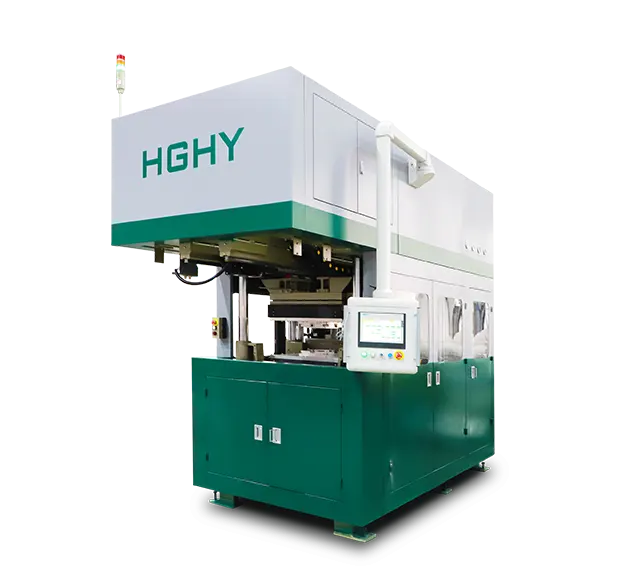
Several of these features matter directly to a healthcare producer. The servo-hydraulic hot-press, rated up to 60 tons, delivers the dense, leak-resistant walls that liquid-holding clinical items require. The servo five-point-linkage trimming keeps edges clean and dimensionally consistent — important when products must stack and seal reliably. The customizable heating lets a plant match its energy source to local cost, since pressing and drying are the largest running expense in fibre production. And the self-locking, auto-stop safety design supports the continuous, staffed operation a production plant depends on.
Reading the investment case
What makes this category appealing is the combination, not any single factor:
- Demand that does not retreat in a downturn, because clinical consumption continues regardless.
- A regulatory wind at the back, as plastic bans push buyers toward compostable fibre.
- A thin field of qualified competitors, leaving room for a disciplined entrant to win long-term supply contracts.
- A flexible asset, since the same line can switch between medical, tableware and carton production as the order book shifts.
- A clean export profile, letting a plant serve both domestic health systems and anti-plastic import markets.
The risks are real and worth naming: medical qualification takes time, raw-material consistency must be managed, and client approval cycles in healthcare are slower than in food packaging. But those same hurdles are what keep the category defensible once an operator is through them.
Moving from interest to a plant
For anyone weighing this opportunity, the practical next step is to pin down three things: the specific product mix to target first, the certification path required in the intended markets, and an equipment configuration matched to that output. Requesting a detailed specification sheet and a sample product run from an equipment partner such as HGHY is the natural way to turn a market thesis into a concrete plant plan — and to see the medical-grade output quality before any capital is committed.