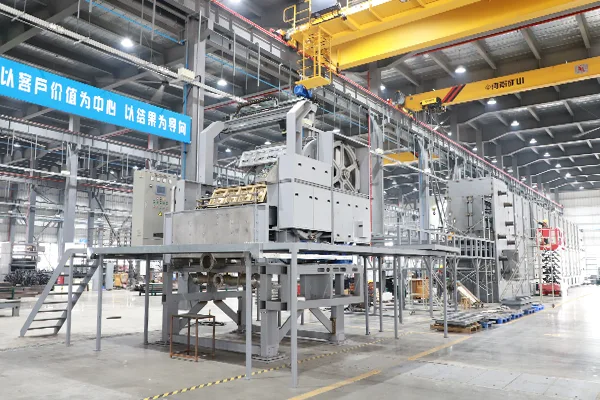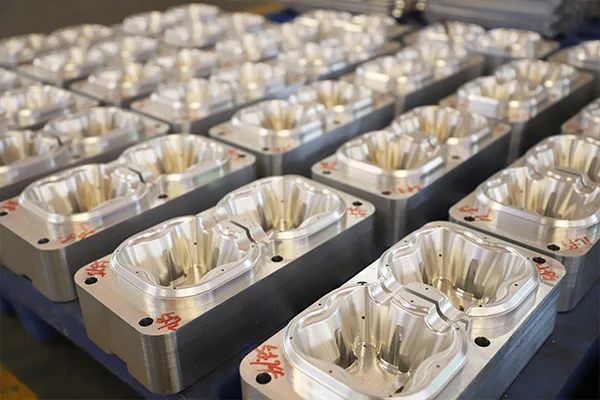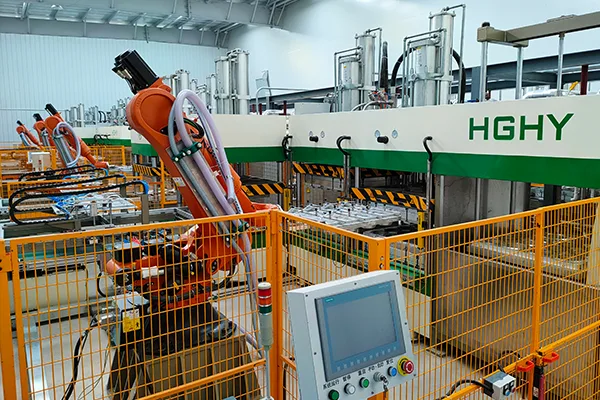

In a world increasingly focused on sustainability and reducing plastic waste, sugarcane bagasse tableware making machines are gaining attention as a powerful and eco-friendly solution. These machines transform agricultural waste into biodegradable products that are widely used in food service and packaging industries.

What is Sugarcane Bagasse?
Bagasse is the fibrous residue left after extracting juice from sugarcane. Traditionally seen as agricultural waste, bagasse is now recognized as a valuable raw material for producing eco-friendly tableware such as:
- Disposable plates
- Bowls
- Food containers
- Trays
- Cups and lids
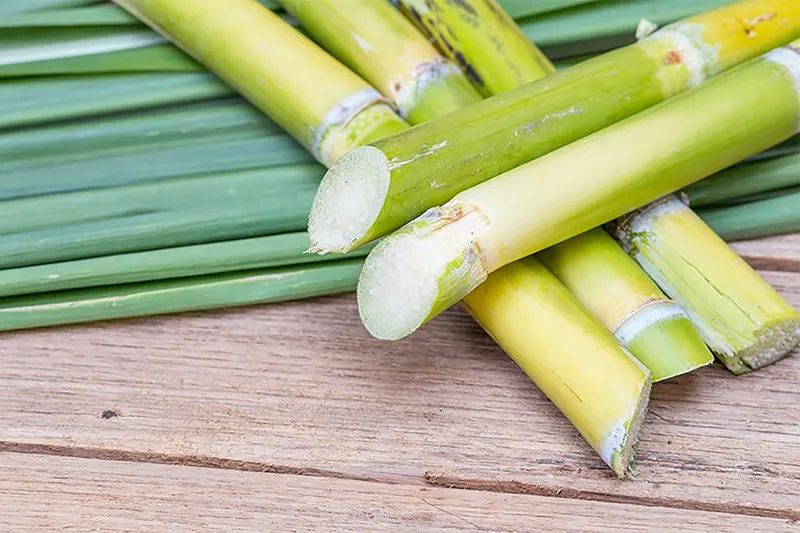
With high cellulose content and natural biodegradability, bagasse is ideal for forming durable, compostable products using thermoforming or pulp molding technology.
Why Bagasse Tableware Manufacturing is Gaining Popularity
1. Abundant Raw Material Supply
Countries with large-scale sugarcane industries—such as India, Brazil, Thailand, Vietnam, China, Indonesia, and Mexico—have an abundant and often underutilized supply of bagasse. By using this locally available agricultural byproduct, manufacturers can reduce raw material costs and promote sustainable practices.
2. Plastic Bans Are Fueling the Market
Government regulations and plastic bans across the globe are driving demand for compostable alternatives. Regions such as:
- The European Union
- California and New York in the U.S.
- Canada
- India
- Australia
- Malaysia
- South Korea
- Taiwan
have either implemented or are planning full-scale bans on single-use plastics. This shift opens massive market potential for biodegradable packaging and tableware.
3. Low Carbon Footprint
Bagasse tableware is made using water-based pulp molding, which does not involve harmful chemicals or plastic additives. It decomposes naturally within 60–90 days in composting conditions, making it far superior to plastic or styrofoam alternatives in environmental impact.
Investment Value and Business Opportunities
Investing in a sugarcane bagasse tableware manufacturing line presents the following advantages:
| Benefit | Description |
|---|---|
| High Demand | Growing food delivery, catering, and takeaway industries need sustainable packaging. |
| Export Potential | Products are in high demand in Europe, North America, and eco-conscious markets. |
| Government Support | Many countries offer subsidies, tax exemptions, or policy support for green industries. |
| Circular Economy | Uses local agricultural waste and promotes eco-friendly product life cycles. |
| Scalability | Production lines can be expanded easily from small to large-scale operations. |
Technology Overview: How the Machine Works
Sugarcane bagasse tableware machines usually follow this process:
- Pulping System – Converts dried bagasse into slurry using water and mechanical agitation.
- Forming Machine – Uses molds to shape the pulp into various tableware products under vacuum and pressure.
- Hot Pressing Unit – Applies heat and pressure to strengthen and smooth the surface.
- Drying & Trimming – Final drying, edge trimming, and automatic stacking.
- Packaging – Products are packed for shipping or retail.
Machines are available in semi-automatic or fully automatic models, depending on production scale and budget.
Suitable Countries to Start Bagasse Tableware Production
These countries offer the best conditions for setting up a bagasse tableware plant:
| Country | Advantage |
|---|---|
| India | Huge sugarcane output, low labor cost, government eco-policy push |
| Brazil | World’s largest sugarcane producer, ample bagasse supply |
| Thailand & Vietnam | Export-friendly, strong eco-packaging demand in nearby markets |
| China | Mature equipment suppliers, growing domestic and export market |
| Mexico | NAFTA access, rising demand in U.S. and Canada |
| Indonesia & Philippines | Abundant raw materials, plastic bans gaining traction |
Conclusion: A Green Business With Global Impact
Sugarcane bagasse tableware manufacturing is more than just a business—it’s a step toward a sustainable future. With growing international support for plastic bans and rising awareness of climate change, the demand for eco-friendly packaging will only increase.
For investors and entrepreneurs seeking to start or expand a green manufacturing business, bagasse tableware production offers a high-potential opportunity with environmental, social, and financial rewards.