
As an expert in the pulp molding industry, I will analyze the benefits and challenges of investing in this sector from the perspectives of market prospects, technical advantages, return on investment, and environmental sustainability.
Benefits of Investing in the Pulp Molding Industry
1. Support from Environmental Policies
- Global Anti-Plastic Movement: With increasing restrictions and bans on single-use plastics worldwide, pulp molding products, as eco-friendly alternatives, are in high demand.
- Policy Incentives: Many governments encourage and support the environmental protection industry, offering subsidies or tax benefits to reduce investment costs.
2. Huge Market Potential
- Diverse Applications: Pulp molded products are widely used in food packaging (e.g., tableware, cup carriers), industrial protective packaging (e.g., electronic product trays), and agricultural packaging (e.g., egg trays, fruit trays).
- Rising Demand: As environmental awareness grows, both consumers and companies are increasingly accepting biodegradable packaging, expanding the market size year by year.
3. Mature Technology and Reliable Equipment
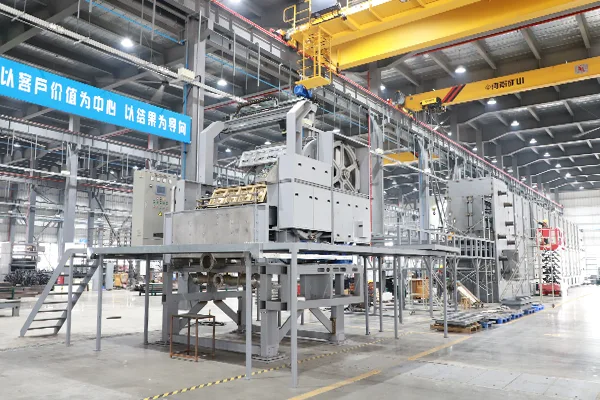
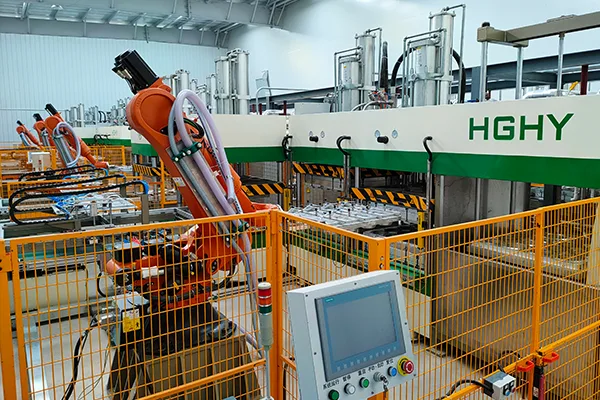
- High Automation: Advanced pulp molding machines, such as the HGHY series automated production line, integrate high-efficiency forming, hot pressing, drying, and cutting, significantly reducing labor costs.
- Abundant Raw Materials: Waste paper, straw, bamboo pulp, and bagasse are all viable raw materials, making the production cost low and sustainable.
4. Quick Return on Investment
- Low Cost, High Profit: Compared to plastic manufacturing, pulp molding equipment has moderate investment costs, while raw material expenses are low, and product prices are relatively high.
- Fast Profit Generation: For example, an automated pulp molding tableware machine can produce over 10,000 pieces per day, selling at a high price, resulting in a short payback period.
5. Sustainable Development
- Corporate Social Responsibility: Investing in environmentally friendly industries enhances corporate image and attracts more partnerships.
- Circular Economy: Pulp molded products are biodegradable and do not cause secondary pollution, making them a key part of sustainable production.
Challenges of Investing in the Pulp Molding Industry
1. High Initial Equipment Investment
- Cost of High-Quality Machines: Advanced equipment, such as dual rotary pulp molding machines, can be expensive, creating financial pressure at the start.
- Maintenance Expenses: Automated systems require regular technical maintenance, adding to the overall operational cost.
2. Quality Control Challenges
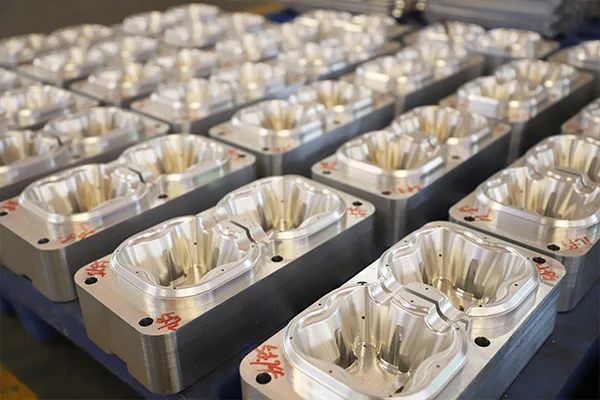
- Complex Forming Process: Product quality is influenced by factors such as temperature, pressure, mold precision, and pulp composition, requiring continuous optimization.
- Risk of Unstable Quality: If the production line lacks stability, low product yield can affect delivery and brand reputation.
3. Increasing Market Competition
- Growing Number of Competitors: As the eco-friendly packaging industry heats up, more companies are entering the market, leading to price drops and profit margin compression.
- Limited Brand Recognition: Companies without strong brand influence may find it difficult to secure a competitive edge.
4. Fluctuating Raw Material Supply
- Price Instability: The cost of waste paper and other raw materials can vary greatly, especially during policy changes or shortages.
- Inconsistent Quality: Diverse raw material types and qualities can affect product consistency and performance.
5. Market Entry Barriers
- Strict Environmental Standards: In regions like Europe and North America, pulp molded products must meet stringent environmental certifications, such as FDA food-grade or EU eco-standards, increasing market entry difficulty.
- High Logistics and Storage Costs: Pulp molded products are bulky with low density, resulting in higher transportation costs, which may impact export competitiveness.
Strategic Recommendations
- Choose Advanced Equipment: Opt for machines with high automation, low energy consumption, and user-friendly operation to reduce production costs.
- Build a Strong Brand: Focus on brand building, particularly in food packaging and premium industrial packaging, to enhance market recognition.
- Diversify Product Lines: Produce high-value products like disposable pulp tableware, electronic product trays, and eco-friendly fruit trays to expand market reach.
- Secure Raw Material Supply: Sign long-term agreements to ensure a steady supply of raw materials like waste paper and bamboo pulp, minimizing the risk of cost fluctuations.
- Invest in R&D: Collaborate with research institutions to develop new mold materials and eco-friendly coatings, improving product quality and competitiveness.
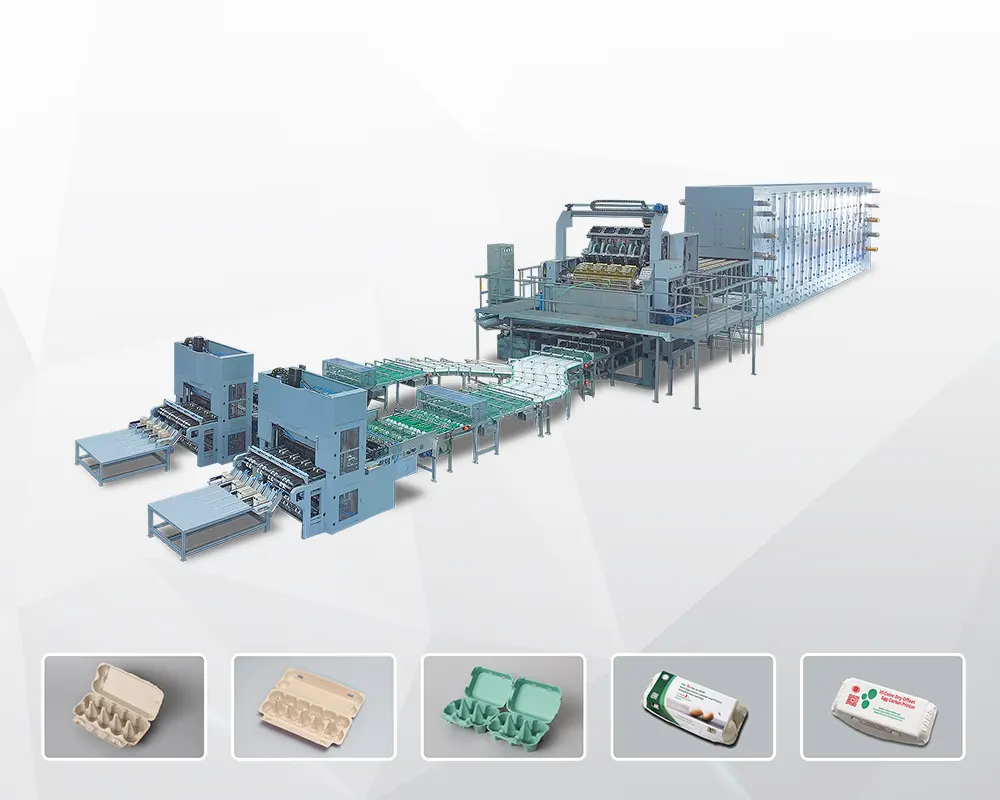
High performance Double Rotary Egg Box Making Machine, installed over 150 lines. Suitable for the production of egg carton, egg box, cup trays, punnet, bottle tray that require hot pressing after drying could be produced.
Conclusion
The pulp molding industry, as a pioneer in the eco-friendly packaging sector, aligns with the global trend of reducing plastic use. Although it has promising market potential, investors must consider challenges such as equipment costs, quality control, market competition, and raw material fluctuations. By making scientific planning, optimizing production lines, building a strong brand, and diversifying products, companies can thrive and gain a competitive edge in this rapidly evolving market.