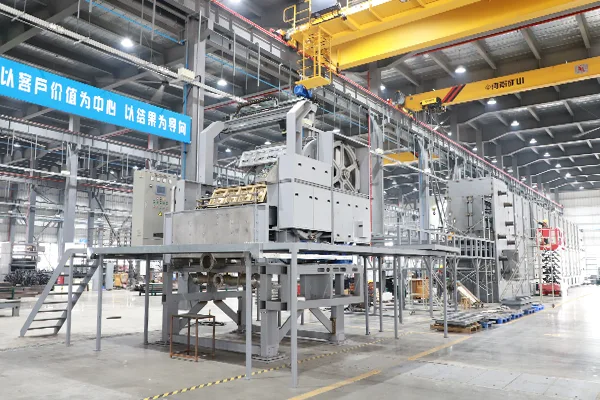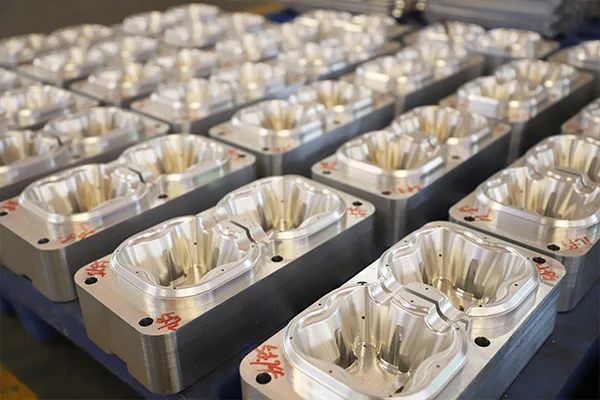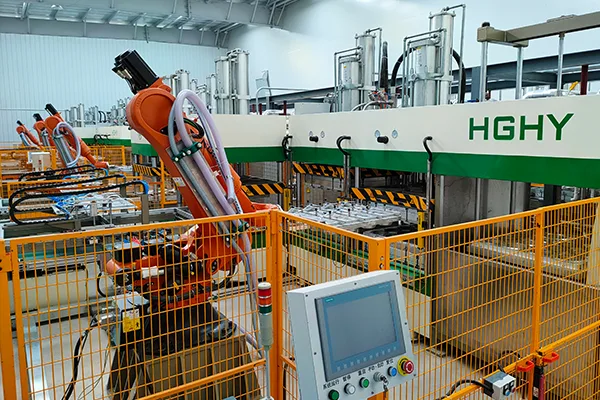

As the global movement toward sustainability accelerates, bagasse pulp molding technology has emerged as one of the most promising solutions for eco-friendly packaging and disposable tableware production. Derived from sugarcane residue, bagasse offers an abundant, renewable, and biodegradable raw material that can effectively replace plastics and styrofoam in many industries.
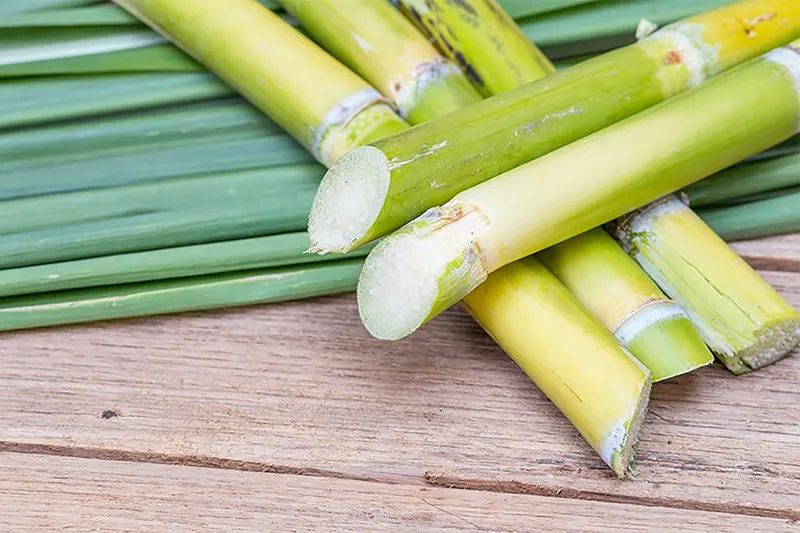
What Is Bagasse Pulp Molding Technology?
Bagasse pulp molding technology refers to the process of converting sugarcane bagasse fibers into molded pulp products through a series of pulping, forming, drying, and hot-pressing stages.
This process transforms agricultural waste into high-strength, biodegradable, and compostable packaging items such as plates, bowls, trays, clamshells, and cup lids.
The core principle lies in combining mechanical molding and thermal forming to achieve precise shapes and smooth surfaces—ideal for both food packaging and industrial protective packaging.
How It Works: The Production Process
- Raw Material Preparation
- Sugarcane bagasse fibers are collected and cleaned to remove impurities.
- The fibers are mixed with water and sometimes other natural additives to form a uniform pulp.
- Pulp Molding (Forming Stage)
- The pulp is fed into forming molds that shape it into desired products using vacuum suction.
- Excess water is drained during this process, creating a semi-wet molded product.
- Drying System
- The wet products are dried using automatic drying lines—either metal drying, hot air circulation, or natural drying, depending on the system’s design.
- This step ensures moisture removal and structural stability.
- Hot Pressing & Trimming
- Dried items undergo precision hot-pressing to achieve accurate dimensions, smoother surfaces, and higher density.
- Automatic trimming and stacking systems prepare the final products for packaging.
- Quality Inspection & Packing
- Finished products are inspected for uniformity, strength, and smoothness before being packed and delivered.
Technological Advantages
- Eco-Friendly & Biodegradable:
100% plant fiber, decomposable within 90 days under natural conditions. - High Strength & Heat Resistance:
Withstands temperatures up to 120°C, suitable for both hot and cold food. - Water & Oil Resistance:
Achieved through advanced hot-pressing and optional food-grade coatings. - Customizable & Scalable:
Mold designs can be customized for different products and production capacities. - Energy Efficient:
Modern systems integrate energy-saving drying methods and intelligent control systems for reduced operating costs.
Applications Across Industries
- Food Service: Plates, bowls, lunch boxes, cup lids, and clamshell containers.
- Retail & Delivery: Takeaway packaging, drink carriers, and trays.
- Industrial Packaging: Protective molded pulp trays for electronics, glassware, and tools.
As consumers and brands worldwide push for greener alternatives, bagasse pulp molded products are becoming a mainstream choice in supermarkets, restaurants, and packaging suppliers globally.

Future Outlook
The adoption of bagasse pulp molding technology aligns with international regulations banning single-use plastics. With continued innovation in automation, drying systems, and mold precision, manufacturers can expect higher output, lower costs, and superior product consistency.
Companies investing in this technology not only gain economic benefits but also contribute to a circular, sustainable economy by transforming agricultural waste into high-value green products.
Conclusion
Bagasse pulp molding technology represents the future of eco-friendly packaging — merging sustainability, performance, and innovation. By leveraging this technology, manufacturers can take a significant step toward reducing plastic waste while meeting the growing global demand for biodegradable, food-safe, and environmentally responsible packaging solutions.