Pulp molding has become one of the fastest-growing environmentally friendly manufacturing technologies in recent years. As global demand for sustainable packaging and biodegradable products continues to rise, molded pulp products are increasingly replacing traditional plastic, foam, and PVC packaging across the food service, electronics, industrial, and consumer goods industries.
The performance and quality of molded pulp products largely depend on two key factors: the selection of raw fiber materials and the formulation of the pulp mixture. Different fiber combinations and additive systems can significantly influence product strength, surface quality, water resistance, oil resistance, and overall durability.
Main Raw Materials Used in Pulp Molding
The primary raw materials used in pulp molding are various natural and recycled fiber materials. These fibers are renewable, biodegradable, recyclable, and highly moldable, making them ideal for sustainable product manufacturing.
Common raw materials include:
- Recycled paper fiber
- Wood pulp fiber
- Bamboo fiber
- Sugarcane bagasse fiber
- Wheat straw fiber
- Reed fiber
- Other agricultural residue fibers
Among these materials, non-wood plant fibers such as bamboo and sugarcane bagasse are becoming increasingly popular due to their rapid renewability and lower environmental impact. These fibers not only reduce dependence on timber resources but also help recycle agricultural waste into valuable eco-friendly products.
Characteristics of Different Fiber Materials
Different fibers provide different physical properties to molded pulp products.
Recycled Paper Fiber
Recycled paper is one of the most widely used raw materials in traditional pulp molding production. It offers low cost, stable supply, and excellent recyclability. It is commonly used for egg trays, fruit trays, cup carriers, and industrial protective packaging.
Wood Fiber
Wood pulp fibers generally provide smoother surfaces and higher structural strength. They are often used in premium packaging and high-quality disposable tableware products.
Bamboo Fiber
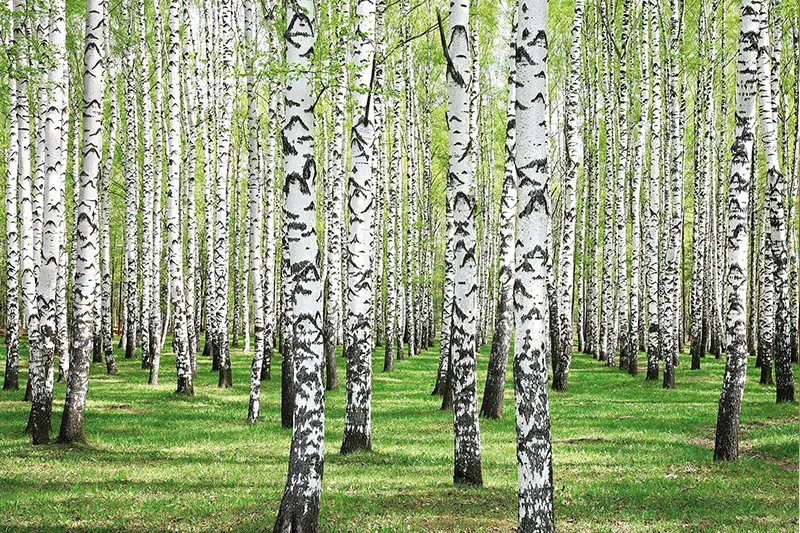
Bamboo fiber is known for its excellent toughness, flexibility, and natural antibacterial properties. Bamboo grows quickly and is considered one of the most sustainable renewable resources in the world.

Sugarcane Bagasse Fiber
Sugarcane bagasse is a byproduct of the sugar industry. It has excellent molding performance, heat resistance, and food-contact safety, making it highly suitable for disposable plates, bowls, food containers, and takeaway packaging.

Straw and Agricultural Fibers
Agricultural fibers such as wheat straw and reed fiber help reduce agricultural waste burning and improve resource utilization. These fibers are increasingly used in environmentally friendly packaging applications.
Pulp Formulation and Fiber Blending
In actual production, molded pulp slurry is rarely made from a single fiber material. Instead, manufacturers typically blend multiple fibers together according to product performance requirements, production costs, and molding characteristics.
For example, in molded fiber tableware production, a common formulation may consist of:
- 40% bamboo fiber
- 60% sugarcane bagasse fiber
This combination helps balance product rigidity, toughness, smoothness, and molding efficiency. However, there is no universal formula in the pulp molding industry. The ratio of fibers varies greatly depending on factors such as:
- Product type
- Product thickness
- Load-bearing requirements
- Surface smoothness
- Water and oil resistance
- Production efficiency
- Cost targets
Industrial protective packaging, for example, may require higher recycled paper content for shock absorption, while premium food packaging may use more bamboo or virgin wood fiber for better appearance and hygiene standards.
Functional Additives Used in Pulp Molding Formulas
In addition to fiber materials, various chemical additives are commonly introduced into pulp molding formulations to enhance product performance and functionality.
Common additives include:
- Waterproof agents
- Moisture-resistant agents
- Oil-resistant additives
- Anti-mold agents
- Dust reduction additives
- Strengthening agents
- Anti-static coatings
- Food-grade barrier coatings
These additives help improve the product’s resistance to water, oil, humidity, deformation, and microbial growth. They can also enhance surface quality, durability, and storage stability.
For food packaging applications, food-safe additives and biodegradable coatings are especially important to meet international environmental and food-contact safety standards.
Customized Formulas for Different Applications
Different molded pulp products require different formulation strategies.
Food Service Products
Disposable plates, bowls, lunch boxes, and cup lids usually require:
- Smooth surfaces
- Oil resistance
- Water resistance
- Food-contact safety
- Heat resistance
These products often use bamboo fiber and sugarcane bagasse combined with food-grade additives.
Industrial Packaging
Industrial packaging products prioritize:
- Shock absorption
- Compression resistance
- Structural strength
- Cost efficiency
These applications typically contain higher proportions of recycled paper fiber.
High-End Consumer Packaging
Premium electronics and luxury packaging require:
- Fine surface texture
- Precise molding
- High strength
- Excellent appearance quality
Such products may use refined wood pulp or specially processed plant fibers.
The Future of Sustainable Fiber Formulations
As environmental regulations become stricter worldwide, the pulp molding industry is rapidly evolving toward more sustainable, plastic-free, and fully biodegradable solutions. Manufacturers are continuously developing new fiber combinations and eco-friendly additives to improve product performance while reducing environmental impact.
Advanced pulp formulations are now enabling molded fiber products to achieve higher strength, better water resistance, smoother finishes, and wider application possibilities than ever before.
With ongoing innovation in raw materials and production technology, pulp molding is expected to play a major role in the future of sustainable packaging and eco-friendly manufacturing worldwide.