Pulp molded packaging tends to get underestimated. People see paper and assume fragility. In practice, a well-designed pulp molded tray can sustain loads exceeding 200 kilograms — more than most foam alternatives — while remaining fully compostable. The performance gap between a mediocre pulp molded part and an engineered one comes down to six structural parameters. Understanding them is the difference between packaging that protects and packaging that fails in transit.





Wall Thickness: The Starting Point, Not the Whole Story
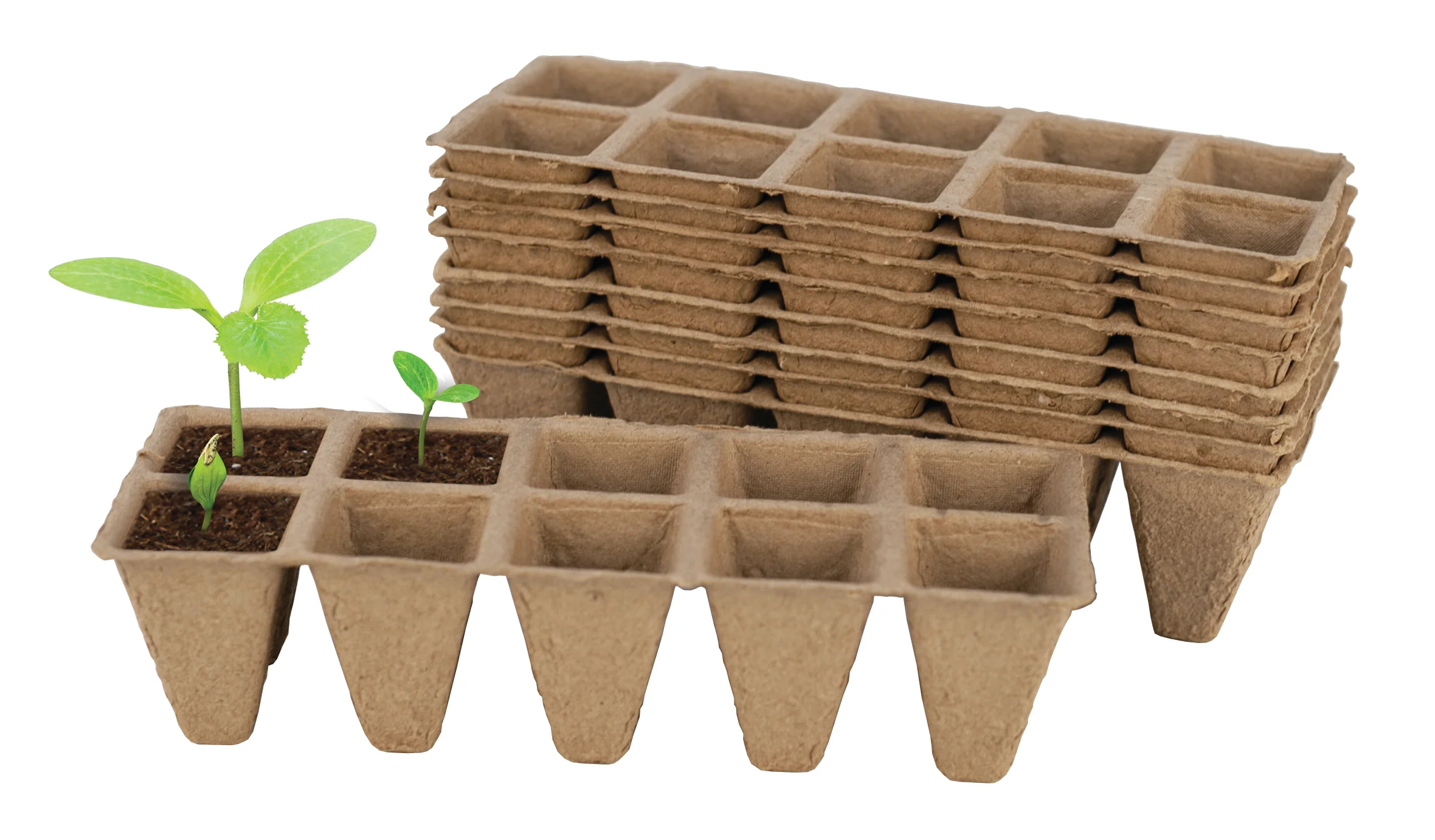
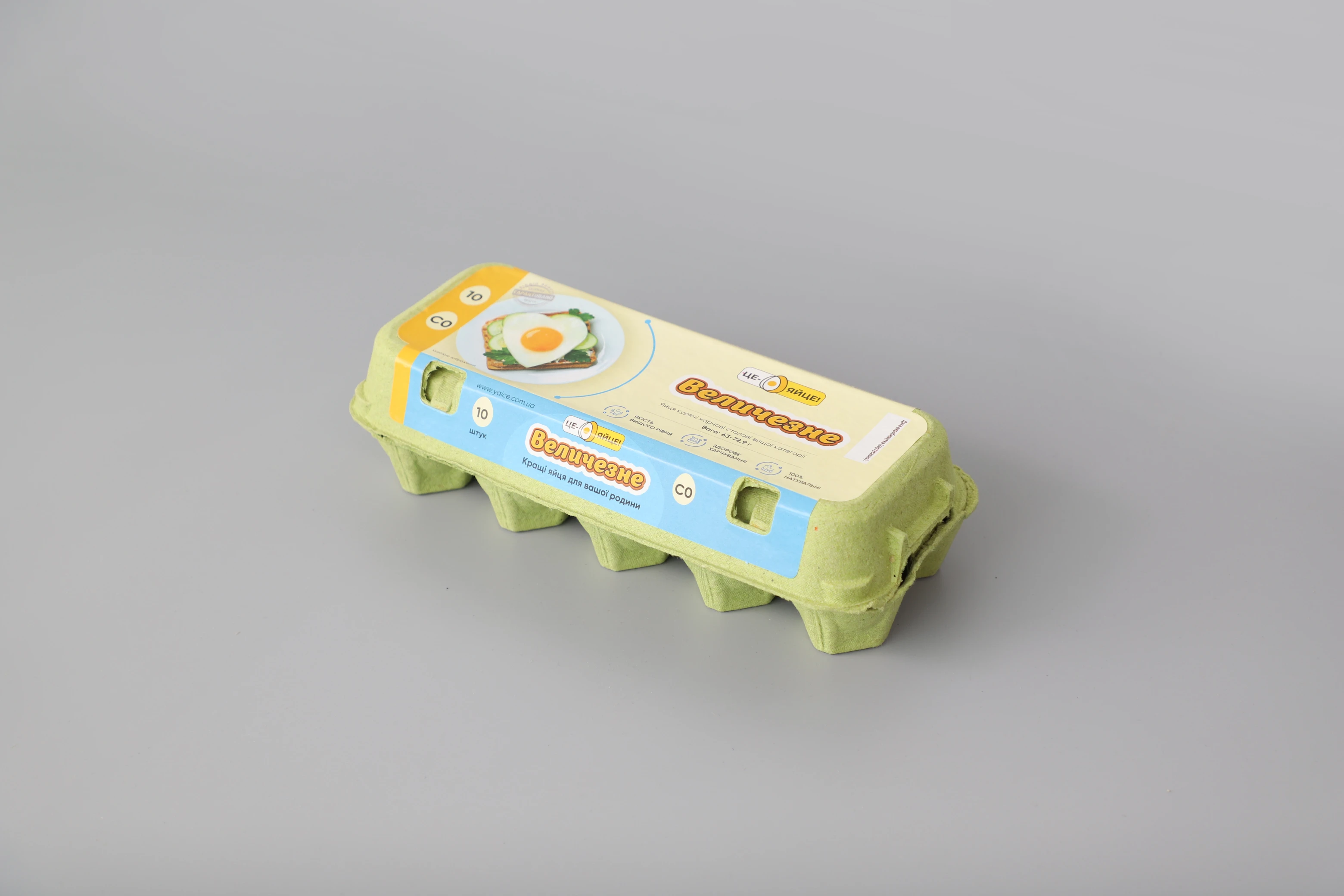
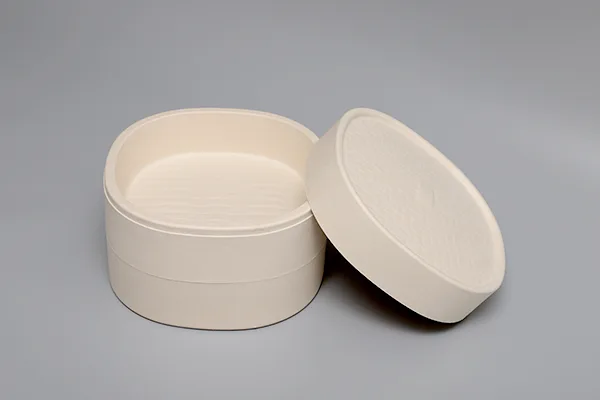
Wall thickness in pulp molded products typically falls between 0.5 mm and 3 mm. Wet-pressed foodservice items — trays, cup carriers, clamshells — sit at the thin end, around 0.5 to 0.8 mm. Dry-pressed industrial packaging runs 1.5 to 2 mm. Precision industrial inserts, where surface finish matters, generally land between 1 and 2 mm. Heavy-duty pallet and support structures break from this range entirely, reaching 10 mm or beyond.
Thickness matters, but it cannot be read in isolation. Two parts with identical wall thickness can behave very differently depending on how the pulp was processed. A lightly formed, low-density wall compresses under load without recovery; a dense, well-consolidated wall stores elastic energy and springs back. For this reason, wall thickness is always paired with average bulk density when characterizing structural performance.
Load Capacity: What the Numbers Actually Mean
Standard pulp molded packaging is designed for products under 50 kg. That covers the vast majority of consumer electronics, household appliances, and mid-sized industrial components. Reinforced designs — typically featuring more cushioning cells, greater wall thickness, and optimized rib geometry — push the practical ceiling above 200 kg.
What makes this possible is not the material itself. Pulp fiber is not inherently elastic. The cushioning comes almost entirely from the geometry: ribs and cavities deform under load, dissipating energy through controlled elastic deflection, then partially recover. Strip away the geometry and you have a shell that crushes and stays crushed.
The Six Parameters That Govern Performance
Wall Thickness
As noted, wall thickness is the primary lever for load capacity. Once the forming process and fiber furnish are fixed, thickness can be held to a consistent range. Increasing it raises both stiffness and the peak load a structure can sustain before permanent deformation. The practical range for industrial packaging — 0.5 to 3 mm — reflects the tradeoff between protection and material cost.
Cushioning Height
This is the distance between the two load-bearing faces of the molded structure: not the overall part height, but the effective compression travel available before the part bottoms out. Most cushioning applications fall between 15 and 75 mm. Within that window, taller structures absorb more energy and tolerate higher static loads before transmitting damaging accelerations. But there is a limit. Structures that are too tall buckle laterally under dynamic loading rather than compressing axially, and once they buckle, the cushioning function is gone. Height must be matched to the weight and fragility of the product it protects.
Draft Angle
Every pulp molded part needs draft — the taper on vertical walls that allows the formed part to release from the tooling. For functional cushioning ribs, draft typically runs from 3° to 12°, with 4° being common for mid-sized industrial inserts. Draft affects three things simultaneously: how easily the part releases during production, how much load the rib wall can carry, and how well the structure recovers after compression. At angles beyond 15°, ribs are prone to tearing under impact rather than deflecting elastically. The cushioning cell fails at the moment it is needed most.
Load-Bearing Edge Length
Because pulp molded parts are three-dimensional shell structures — not solid blocks — the standard stress-strain analysis used for EPS or foam does not directly apply. There is no simple projected area to work with. Instead, engineers use the edge length of the rib wall along the direction of loading as the key geometric variable. It determines how each structural cell contributes to the overall stiffness and energy absorption of the assembly.
Corner Radius
Where rib walls meet, the transition radius — typically 3 to 10 mm — influences the shape of the load-deflection curve. A sharper corner concentrates stress and produces a stiffer initial response. A larger radius distributes stress more evenly, softening the onset of deflection and improving elastic recovery after compression. Larger radii also increase the preload force when the packaged product is seated — useful when you want the insert to grip the product and prevent shifting rather than simply cushion it.
Number of Structural Units
The relationship here is straightforward: if a single cushioning cell has a maximum load capacity of P, an assembly of n identical cells arranged in parallel sustains more than n × P. In practice the gain exceeds simple proportional scaling because adjacent cells share lateral loads and stabilize one another. This means that doubling the number of structural units in a tray design more than doubles its capacity — and it is often a more efficient path to higher performance than increasing wall thickness across the entire part.
Putting It Together
Designing pulp molded packaging is a balancing act across all six parameters simultaneously. A thicker wall raises capacity but adds weight and cost. More height improves cushioning but risks buckling. A shallower draft improves structural efficiency but tightens production tolerances. None of these adjustments can be made in isolation.
What this means practically: the same pulp material, processed on the same tooling, can produce packaging that barely protects a 5 kg product or packaging that reliably ships a 150 kg industrial component — depending entirely on how the geometry is specified. The material is not the variable. The design is.